Which energy upgrades pay off in Boise?
Tap to expand
Which energy upgrades pay off in Boise?
Energy-efficiency upgrades pay off in three ways: lower utility bills, greater comfort, and added home value. In Boise's climate of hot summers and cold winters, the best-ROI upgrades are usually air sealing and insulation - the cheapest, highest-impact measures - followed by efficient HVAC, quality windows, and a smart thermostat. Air sealing and insulation deliver the fastest payback, while windows add comfort and appeal but take longer to pay back. And because buyers increasingly value efficiency, these upgrades help at resale too. Unlike most remodeling investments, energy upgrades pay you back every month through lower bills, on top of the value and comfort they add. This guide explains which upgrades deliver the best return in Idaho's climate. It is part of our ROI series - see the best remodeling projects for ROI guide.
The three returns of efficiency
Tap to expand
The three returns of efficiency
Energy upgrades are unusual among home improvements because they deliver three kinds of return at once. First, lower utility bills: a more efficient home costs less to heat and cool every single month, a saving that accrues for as long as you own the home and compounds over years. Second, greater comfort: efficiency upgrades eliminate drafts, cold spots, and temperature swings, making the home more pleasant to live in - a benefit felt daily. Third, added home value and salability: buyers increasingly factor energy costs and comfort into their decisions, so an efficient home can sell more competitively, and lower operating costs make it more affordable to own. This triple return means energy upgrades often make more financial sense than their upfront cost suggests, because the simple "resale value added" figure captures only part of the benefit - it misses the monthly savings and the daily comfort. When weighing energy upgrades, consider all three returns together. That fuller picture usually makes the well-chosen upgrades - especially the inexpensive, high-impact ones described next - clearly worthwhile, both financially and in quality of life.
Air sealing and insulation: the best ROI
Tap to expand
Air sealing and insulation: the best ROI
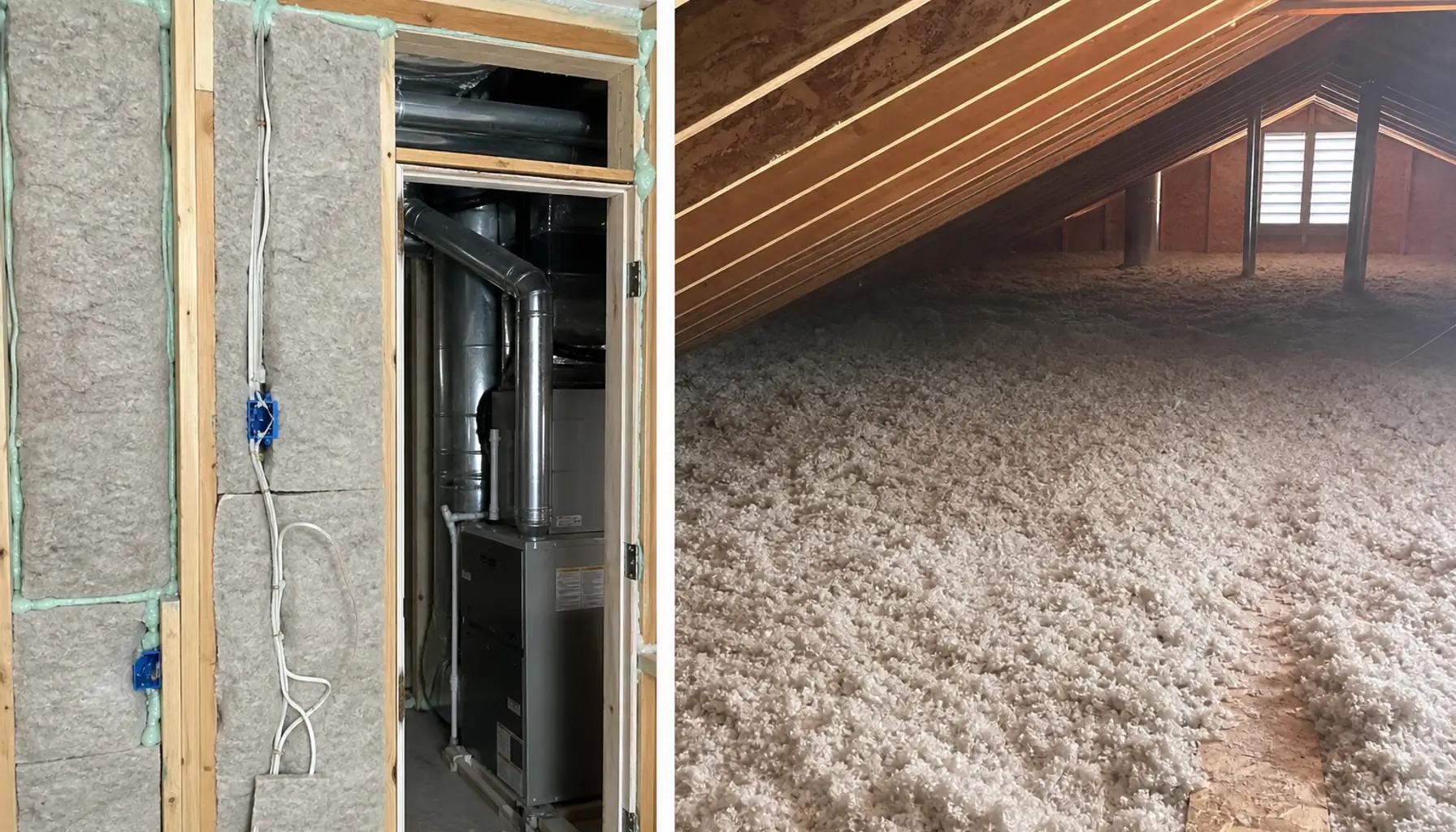
The upgrades with the best ROI are almost always air sealing and insulation, because they are relatively inexpensive and directly attack the biggest energy drain in most homes: heating and cooling losses. Air sealing - closing the countless small leaks around windows, doors, outlets, ducts, and where the house frame meets the foundation and roof - stops the constant, invisible exchange of conditioned air for outdoor air that forces your HVAC to work harder. Insulation, especially in the attic (where much heat is lost and gained) and walls, slows heat transfer so the home holds its temperature. Together, these measures reduce the heating and cooling loads that dominate energy bills, typically paying back quickly and immediately improving comfort by eliminating drafts and cold or hot spots. They are also comparatively cheap and non-disruptive, especially if done during a remodel when walls may already be open. This is why air sealing and insulation are the first upgrades to consider, before more expensive measures - they deliver the most bang for the buck and make every other system work less. In an Idaho climate with real heating and cooling demands, sealing and insulating a leaky, under-insulated home is often the single most cost-effective energy investment available.
Efficient HVAC and smart thermostats
Tap to expand
Efficient HVAC and smart thermostats
After reducing the loads through sealing and insulation, the next high-value upgrades address the systems that heat and cool. An efficient HVAC system - a modern high-efficiency furnace, air conditioner, or heat pump - uses substantially less energy than an older, worn unit to deliver the same comfort, and if your equipment is aging or failing, replacing it with an efficient model captures both energy savings and reliability. Crucially, the system should be correctly sized for the home (especially after sealing and insulation reduce the loads), since an oversized system wastes energy and comfort. A smart thermostat is a small, inexpensive upgrade with a strong return: by optimizing heating and cooling around your schedule and habits, it trims energy use with no loss of comfort, often paying for itself quickly. In Boise's climate, where both winter heating and summer cooling matter, efficient, right-sized HVAC paired with smart controls delivers meaningful, ongoing savings. The sequence matters: reduce the loads first with sealing and insulation, then the HVAC can be smaller, work less, and cost less to run - which is why energy pros recommend tackling the building envelope before the mechanical systems. Done in that order, these upgrades compound into a comfortable, efficient, lower-cost home.
Windows: comfort and appeal, longer payback
Tap to expand
Windows: comfort and appeal, longer payback
Windows are the upgrade homeowners most associate with energy efficiency, but the reality is nuanced. New, energy-efficient windows genuinely improve comfort - reducing drafts, cold surfaces, and outside noise - and add curb appeal and marketability, which matter for resale. However, their energy payback period is long: the utility savings from new windows alone rarely recoup their considerable cost quickly, because windows are expensive and the incremental energy improvement over decent existing windows is modest compared to sealing and insulation. So windows are worth doing when the existing ones are failing (single-pane, drafty, or damaged), when comfort and appearance matter to you, or as part of a broader remodel where their appeal and comfort benefits justify them - not purely as an energy-savings investment. If your goal is the fastest energy payback, prioritize air sealing and insulation first; if your windows are old and failing, replacing them delivers comfort, quiet, appearance, and some efficiency together. Understanding this distinction prevents the common mistake of spending heavily on windows expecting rapid energy savings, when the same money in sealing and insulation would cut bills faster. Windows are valuable - just for a broader mix of reasons than energy alone.
Why a remodel is the time to do it
Tap to expand
Why a remodel is the time to do it
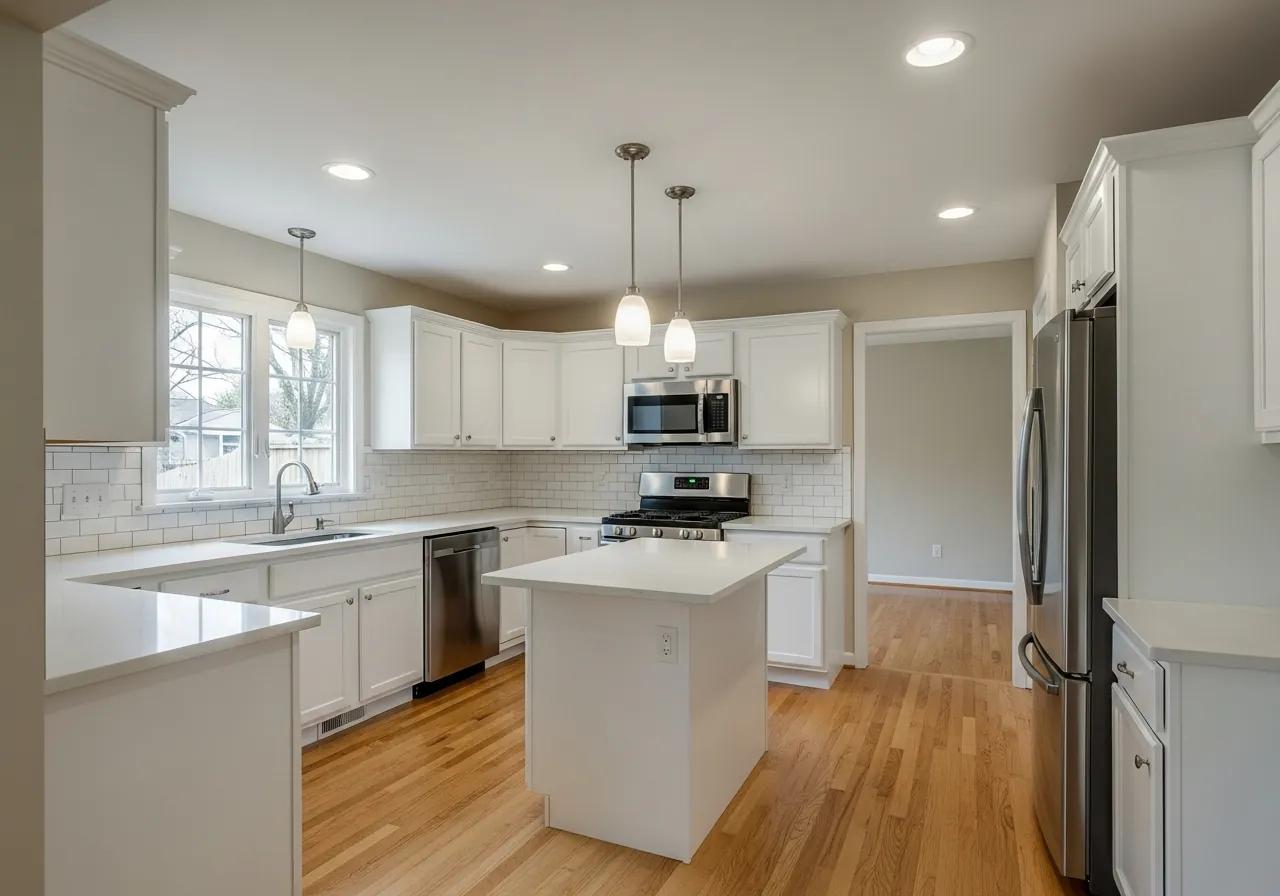
A remodel is the ideal time for energy upgrades, for reasons of both cost and integration. When walls are already open for other work, adding insulation and air sealing is dramatically cheaper than retrofitting them later, because the expensive part - accessing the wall cavities - is already done. A remodel also lets you integrate efficient systems - windows, HVAC, ducting - into the project cleanly rather than as disruptive standalone retrofits. And because a remodel is a natural moment to improve the home comprehensively, it is the logical time to ensure the finished result is comfortable and efficient, not just attractive. Doing energy work during a remodel avoids the cost and disruption of tearing back into finished walls down the road, and it means you enjoy the lower bills and comfort from the moment the project is complete. This is why we encourage homeowners to consider energy upgrades as part of any significant remodel, especially a whole-home remodel where systems and walls are already in play. Skipping efficiency during a remodel is a missed opportunity that is costly to revisit later - one of the avoidable oversights noted in our remodeling mistakes to avoid guide. Building efficiency in while you build is the smart, economical path.
Rebates, incentives, and the bigger picture
Tap to expand
Rebates, incentives, and the bigger picture
When weighing energy upgrades, factor in the rebates and incentives that can meaningfully improve their economics. Utilities and government programs frequently offer rebates, tax credits, or incentives for efficiency improvements - insulation, air sealing, efficient HVAC equipment, heat pumps, smart thermostats, and windows may all qualify at various times. These offsets reduce the upfront cost and shorten the payback, sometimes substantially, so it is worth checking what is currently available in your area before undertaking energy work; a contractor or your utility can point you to active programs. Beyond the direct financial return, remember the bigger picture: an efficient home is more comfortable every day, quieter, healthier (better sealing and ventilation can improve air quality and reduce moisture problems), and lighter on the environment - benefits that accompany the utility savings and added value. As energy costs and buyer awareness rise over time, the value of efficiency tends to grow, making today's upgrades a hedge against tomorrow's higher energy prices and expectations. Taken together - the monthly bill savings, the available incentives, the daily comfort, the added home value, and the future-proofing against rising energy costs - well-chosen efficiency upgrades often make more sense than a narrow upfront-cost view suggests. Looking at the full set of returns, and capturing any available rebates, is how you make the smartest energy-upgrade decisions for your home and budget.
How to prioritize your upgrades
Tap to expand
How to prioritize your upgrades
To get the best return, tackle energy upgrades in a sensible order of cost-effectiveness. Start with an assessment of your home's current efficiency - where it leaks, how it is insulated, and how its systems perform - which pinpoints the highest-impact opportunities (an energy audit can quantify this). Then generally proceed: air sealing first (cheap, high impact), then insulation (attic especially, then walls where accessible), then a smart thermostat (inexpensive, quick payback), then efficient HVAC if the equipment is aging or the loads have changed, and finally windows if they are failing or comfort and appearance warrant it. This sequence reduces the loads before upgrading the systems that serve them, so each step makes the next more effective and every dollar works harder. Not every home needs every upgrade, and the right mix depends on your home's condition and your goals - which is why the assessment comes first. By prioritizing the cheap, high-impact measures and integrating them into a remodel when possible, you capture the strongest energy ROI: lower bills every month, a more comfortable home every day, and added value whenever you sell. That combination makes well-chosen energy upgrades some of the most quietly rewarding investments in a home.
Build efficiency into your remodel
Tap to expand
Build efficiency into your remodel
A remodel is the perfect moment to make your home more comfortable and efficient - lowering bills, improving comfort, and adding value all at once. Our free in-home consultation can help you identify the high-ROI energy upgrades worth building into your project. When you are ready, schedule a consultation, use the instant estimator, or read the full best remodeling projects for ROI guide.