What to expect at your remodeling consultation
Tap to expand
What to expect at your remodeling consultation
At a remodeling consultation, the contractor visits your home to understand your goals, look at the space and its conditions, discuss possibilities and rough budget ranges, and determine whether you are a good fit to work together. You should prepare by clarifying your goals and budget, gathering inspiration, and writing down questions. A good consultation is a two-way conversation - the contractor learns about your project, and you learn how they work and think - not a hard sales pitch. It is the first real step in turning a remodeling idea into a plan, and knowing what to expect helps you get the most from it. This guide walks through what happens and how to prepare. It is part of our Boise Remodeling Process Guide.
The purpose of the consultation
Tap to expand
The purpose of the consultation
The consultation serves several purposes at once, and understanding them helps you engage productively. First, it lets the contractor understand your goals - what you want to change, how you want the space to function, and what is motivating the project. Second, it lets them see the space firsthand, assessing its layout, condition, and any constraints or opportunities that a conversation alone could not reveal. Third, it is a chance to discuss what is possible and talk through rough budget ranges and the general process, so you leave with a clearer sense of direction. And fourth - importantly - it is a mutual fit assessment: the contractor is evaluating whether your project suits their expertise, and you are evaluating whether they are the right team to trust with your home. The consultation is not typically where you receive a detailed fixed price, because accurate pricing requires developing the design and scope first. Instead, it is where the project takes its initial shape and both sides decide whether to move forward together. Approaching it with this understanding - as a conversation and mutual evaluation rather than a quote appointment - sets the right expectations.
How to prepare
Tap to expand
How to prepare
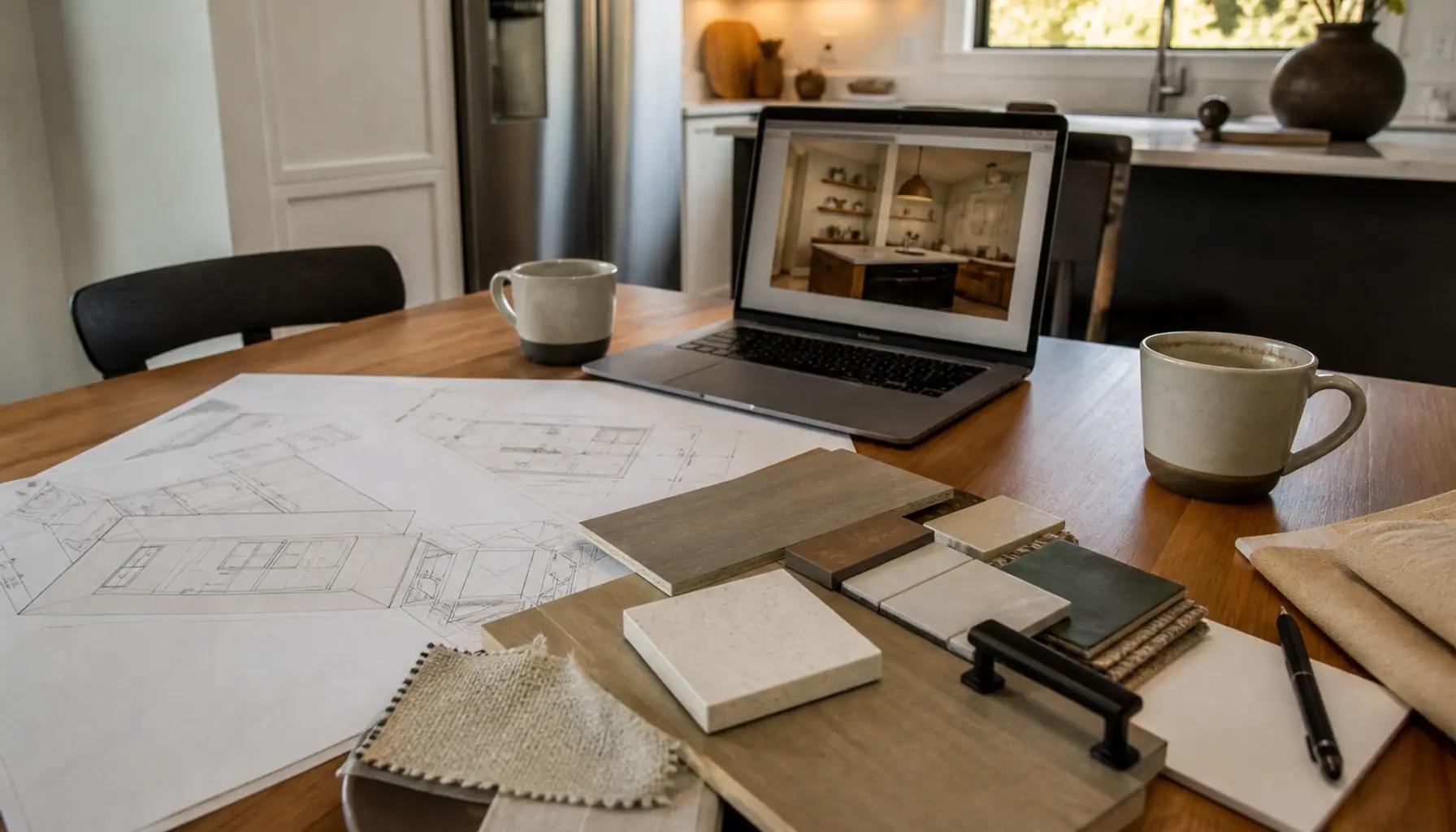
A little preparation makes a consultation dramatically more productive. First, clarify your goals - spend time before the visit thinking through what you want to change, how you want the space to work, and what is driving the project, as covered in our planning checklist. Second, think about your budget: have a realistic range in mind, even if approximate, since budget shapes what is feasible and an honest conversation about it early saves everyone time. Third, gather inspiration - collect images of styles, features, and finishes you like (and dislike), which communicate your vision far faster than words. Fourth, note the space's issues - any known problems, quirks, or history that the contractor should know. Fifth, write down your questions so you do not forget them in the moment. Having your goals, budget range, inspiration, and questions ready lets the consultation move quickly from getting-to-know-you to substantive discussion of your actual project, and it signals to the contractor that you are a serious, prepared client. Preparation is the difference between a vague chat and a genuinely useful working session that advances your project.
What happens during the visit
Tap to expand
What happens during the visit
A typical in-home consultation unfolds as a walk-through and conversation. The contractor will usually tour the space with you, looking at the areas you want to remodel and often the surrounding home, noting existing conditions - the layout, the state of systems, structural elements, and anything that affects feasibility or cost. As you go, they will ask about your goals and how you use and want to use the space, and you will discuss ideas and possibilities. Expect them to talk through options - what could be done, trade-offs, and rough budget implications - drawing on their experience to give you a realistic sense of direction. They may take measurements or photos for later reference. A good contractor spends much of the visit listening, asking thoughtful questions, and genuinely trying to understand your vision, rather than immediately pitching a predetermined solution. By the end, you should have a clearer picture of what your project might involve, a rough budget range, and an understanding of the contractor's process and next steps. The visit typically ends with a discussion of how to proceed if both sides want to move forward - often into a more detailed design phase.
Questions the contractor will ask
Tap to expand
Questions the contractor will ask
Expect the contractor to ask a range of questions designed to understand your project, and answering them thoughtfully leads to better guidance. Common questions include: What are your goals and top priorities? How do you use this space now, and how do you want to use it? What is your budget range? What is your timeline, and is there a deadline (an event, a growing family)? What do you like and dislike about the current space? What styles and features appeal to you? Do you plan to stay in the home long-term, or is resale a consideration? Are there known problems with the home? These questions help the contractor tailor their recommendations to your actual situation - for instance, whether to build in aging-in-place features, or how to balance personalization against resale. The more openly and specifically you answer, the more useful their guidance will be. If a contractor asks few questions and mostly talks, that is worth noting; the best remodelers are deeply curious about your needs, because a great result depends on truly understanding how you live and what you want.
What you should be evaluating
Tap to expand
What you should be evaluating
While the contractor is scoping your project, remember that you are evaluating them just as much. Pay attention to how they listen and communicate - do they understand your goals, ask good questions, and explain things clearly? Notice whether they are honest and realistic, including about budget and trade-offs, rather than telling you only what you want to hear. Ask about their process, experience, licensing and insurance, and how they handle budgets, timelines, and surprises - our questions to ask a contractor guide provides a thorough list. Observe whether the consultation feels like a helpful conversation or a high-pressure sales pitch - the former is a good sign, the latter a red flag. You are looking for a team you can trust with your home for months, so how they conduct the consultation is a meaningful preview of how they will conduct the project. Trust your impressions: a contractor who is knowledgeable, straightforward, curious about your needs, and respectful of your home and budget is far more likely to deliver a good experience than one who is slick but not listening. This mutual evaluation is a core purpose of the visit, so engage in it deliberately.
Consultation red flags to watch for
Tap to expand
Consultation red flags to watch for
Because the consultation is your first real look at how a contractor operates, it is also your first chance to spot warning signs. Be cautious of a contractor who gives you a firm, detailed price on the spot without understanding the full scope - real pricing follows design, and an instant number often changes or reflects a bait low-ball. Watch for high-pressure sales tactics: pushing you to sign immediately, "today only" discounts, or discomfort with you getting other bids are all signs to walk away. Notice if they talk more than they listen, dismiss your ideas, or seem uninterested in your goals - a contractor who is not curious about how you live is unlikely to deliver a result that fits your life. Be wary of anyone who suggests skipping permits, is vague about licensing and insurance, or cannot clearly explain their process. Requests for a large upfront deposit before any design or contract, or reluctance to provide references, are further red flags. And trust your gut on professionalism and respect - showing up late without notice, being disorganized, or being disrespectful of your home previews how the project will go. Our contractor red flags guide covers these in depth. The consultation is precisely when to notice these signals, before any commitment, because they reliably predict the experience ahead. A trustworthy contractor is patient, transparent, curious, and comfortable with you doing your due diligence.
What happens after the consultation
Tap to expand
What happens after the consultation
After the consultation, if both sides want to proceed, the project typically moves into a more detailed design and estimating phase. This is where the rough ideas become a real design, the scope is defined, materials are selected, and an accurate, detailed estimate is developed - a process that takes time and, with some firms, may involve a design fee. This is the appropriate point for real pricing, because a genuine estimate requires knowing the full scope, as our how to compare estimates guide explains. If you met with multiple contractors, you will compare not just their eventual numbers but the whole experience - who understood your project, who you trust, and who offers the best value. Taking the initial consultation seriously, preparing well, and evaluating thoughtfully sets up everything that follows. Whether you proceed with a given contractor or not, a good consultation leaves you more informed about your project and better equipped to make decisions. It is the foundation of the whole remodeling journey, which is why it is worth approaching with preparation and attention rather than treating it as a mere formality.
Schedule your consultation
Tap to expand
Schedule your consultation
A great remodel begins with a great conversation. Our free, no-obligation in-home consultation is a chance to share your goals, see what is possible for your home, and learn how we work - with no pressure. Come prepared with your goals, budget, inspiration, and questions, and we will help you take the first real step. When you are ready, schedule a consultation, use the instant estimator, or read the full Boise Remodeling Process Guide.