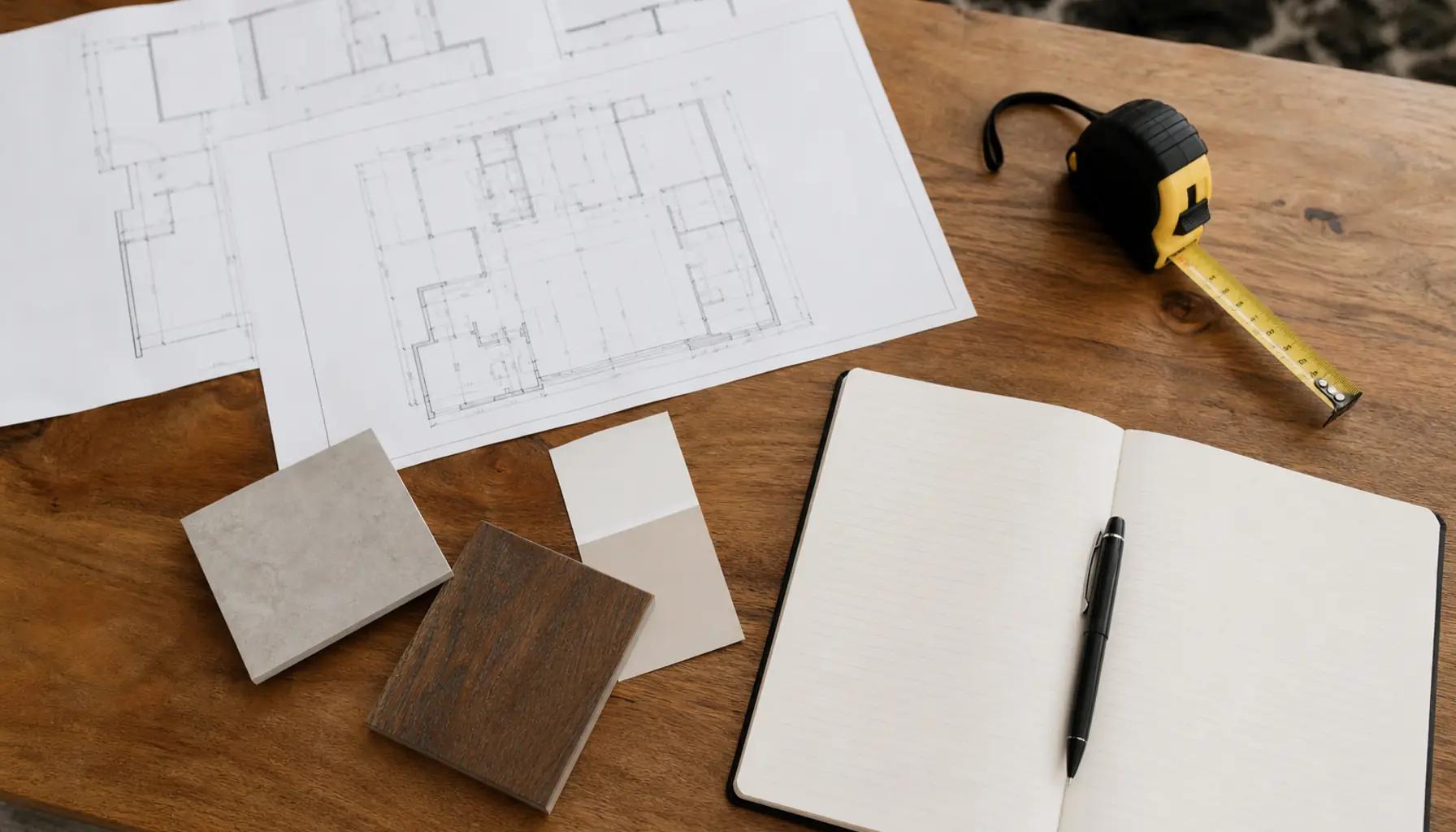
Your whole-home remodel planning checklist
Tap to expand
Your whole-home remodel planning checklist
To plan a whole-home remodel: define your goals and how you want to live, set a realistic budget with a 10-20 percent contingency, prioritize the changes that matter most, choose a qualified design-build contractor early, finalize the design and every material selection before construction, secure permits, and plan the logistics of living arrangements, timeline, and staging. A whole-home remodel is the largest project a homeowner undertakes, and its success is determined far more by the quality of the planning than by anything that happens during construction. This checklist walks through each step in order, so you begin your remodel on solid footing. It is part of our Whole-Home Remodeling Guide.
Step 1: Define your goals
Tap to expand
Step 1: Define your goals
Before thinking about finishes, layouts, or costs, start with why - what you want your remodeled home to achieve. Do you need more space, a better layout, updated systems, a different style, better function for how your family lives, or all of these? Walk through your home and note what frustrates you daily and what you dream of. Think about how you actually live: how you cook, gather, work, sleep, store things, and move through the house. These goals become the foundation for every decision that follows, and defining them clearly prevents the common trap of jumping straight to picking tile before knowing what problem you are solving. Distinguish between the outcomes you want (a home that works for entertaining, a primary suite retreat, an open and light-filled feel) and the specific features that might achieve them - the features come later, in design. Getting clear on your true goals up front ensures the remodel delivers the life you want in the home, not just a collection of updates. Write these goals down; they will anchor the project and help you and your designer make aligned decisions throughout.
Step 2: Set a realistic budget with a contingency
Tap to expand
Step 2: Set a realistic budget with a contingency
With goals in mind, establish a realistic budget. Be honest about what you can and want to invest, and understand that a whole-home remodel is a major expense. Critically, include a contingency of 10 to 20 percent for the surprises that whole-home projects - especially in older homes - reliably uncover, from outdated wiring to hidden water damage. Your budget should cover construction (labor and materials), design and engineering fees, permit costs, the contingency, and the cost of temporary living arrangements and storage if you move out. Our how to budget a remodel guide covers this in depth. Setting the budget early, with the contingency built in, does two things: it keeps the project financially grounded, and it gives your contractor the parameters to design something you can actually afford. The biggest budgeting mistake is planning without a contingency and then being derailed by the first surprise - avoid it by treating the contingency as a normal, expected part of the budget from day one. A realistic budget with a cushion is the financial foundation the whole project rests on.
Step 3: Prioritize needs versus wants
Tap to expand
Step 3: Prioritize needs versus wants
Few whole-home remodels can do everything on the wish list within the budget, so prioritize. Separate your needs - the changes that address your core goals and any genuine problems (failing systems, a broken layout, safety issues) - from your wants - the nice-to-haves and upgrades. Rank them, so that if the budget requires trade-offs, you direct the money to what matters most and trim from the lower priorities rather than compromising the essentials. This prioritization also helps you make decisions during design and even during construction if a surprise consumes part of the contingency. It is far better to do the priority items well than to spread the budget thin trying to do everything and ending up with a compromised result throughout. A clear priority list, aligned with your goals, keeps the project focused and ensures the budget delivers maximum impact on the things you care about most. Discuss these priorities openly with your designer and contractor so they can help you allocate the budget wisely and suggest where to invest and where to save.
Step 4: Choose your contractor early
Tap to expand
Step 4: Choose your contractor early
One of the most important - and most often mistimed - steps is choosing your contractor. Engage a qualified contractor early, ideally before or during design, not after a design is already drawn. A design-build firm develops the design and budget together under one roof, which keeps the project realistic (you will not design something unaffordable), lets construction expertise inform the design to catch problems early, and gives you a single accountable team from concept through completion. Vet candidates carefully - checking licensing, insurance, experience with whole-home projects, references, and communication - using our guides on questions to ask a contractor and red flags to avoid. Because the contractor has more influence over your remodel's outcome than almost any other factor, and because good ones book out in advance, starting this step early is essential. Choosing on demonstrated value and trust - not just the lowest bid - is the goal. The right contractor becomes your partner through the whole journey, so choose deliberately and early.
Step 5: Finalize design and every selection
Tap to expand
Step 5: Finalize design and every selection
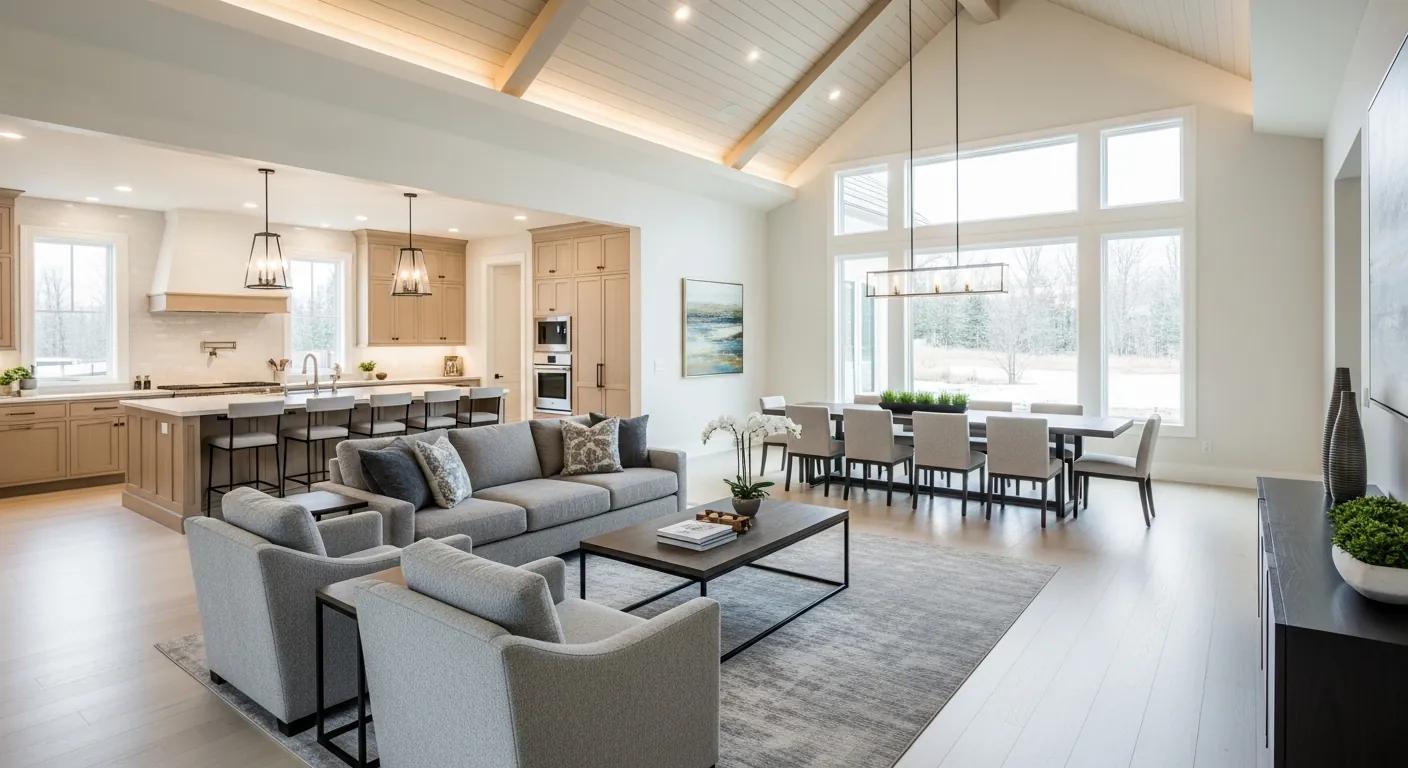
With your team in place, complete the design and all selections before construction begins. This is the phase where the layout of every room is resolved, structural and systems changes are planned, and every material, finish, and fixture is chosen - flooring, cabinetry, countertops, tile, paint, hardware, lighting, plumbing fixtures, appliances, and more, throughout the entire home. It is a big job, but completing it before demolition is what keeps the construction phase efficient and on budget. Decisions made during design are inexpensive; the same decisions made mid-construction become costly change orders that add time and money. Take the time to see key materials in person, review the plans carefully, and resolve your preferences with confidence. Your contractor will use the finalized selections to create an accurate budget and to order materials so they are on hand when needed, preventing the stalls that plague poorly planned projects. Resist the urge to "figure it out later" on any element - later is more expensive and disruptive. A complete design and full set of selections is the blueprint that lets the build proceed smoothly and predictably.
Step 6: Secure permits
Tap to expand
Step 6: Secure permits
Before construction, the necessary permits must be secured. A whole-home remodel typically involves building, electrical, plumbing, and mechanical permits, and any structural or addition work requires plan review. Permitting ensures the work meets code and is inspected for safety, and it makes your improvements legitimate and appraisable - which matters at resale. A reputable design-build contractor handles the permitting as part of the process, preparing and submitting plans and coordinating inspections, so you do not have to navigate the building department yourself. Permitting takes time - it is part of why the pre-construction phase spans months - so it is built into the planning timeline. Never be tempted to skip permits to save time or money; unpermitted work creates safety, insurance, and resale problems that far outweigh the modest cost and time of doing it right, and a contractor who suggests skirting permits is a warning sign. With permits in hand, the project is cleared to proceed on a legal, safe footing. This step is largely handled for you by a good contractor, but understanding its importance helps you insist it is done properly.
Step 7: Plan the logistics
Tap to expand
Step 7: Plan the logistics
The final planning step is the practical logistics of living through - or around - the project. Because most households move out during a whole-home remodel (the home is generally unlivable with utilities shut off and every room affected), plan your temporary living arrangements in advance: a rental, an extended-stay, or time with family, plus storage for furniture and belongings. Coordinate the timeline with your contractor so you know roughly when to move out and back in, understanding that some flexibility is wise given the surprises whole-home remodels can uncover - see our whole-home timeline guide. Plan for staging: clearing the home, protecting or removing anything staying, and preparing the site for the crew. If you must stay for any phase, our living through a remodel guide covers how. Thinking through these logistics before construction - rather than scrambling once demolition looms - keeps the transition smooth and reduces stress. With goals, budget, priorities, contractor, design, permits, and logistics all handled, you have completed the planning that sets a whole-home remodel up to succeed, and you can begin construction with confidence rather than uncertainty. It is worth emphasizing how much this preparation pays off: the projects that finish on time, on budget, and as envisioned are almost always the ones whose owners invested the effort to complete every one of these steps before demolition began, resisting the temptation to rush into construction. Planning is not the boring prelude to the "real" work - it is the phase where the outcome of your remodel is largely determined, and time spent here is repaid many times over in a smoother, more predictable, and more satisfying project.
A final note on timing: because thorough planning takes time and good contractors book out in advance, start early. Beginning the planning process well before you hope to break ground - defining goals, setting the budget, and engaging a contractor months ahead - ensures you are not rushed into decisions and that your preferred team is available when you are ready to build. The homeowners happiest with their remodels are consistently those who gave the planning the time and attention it deserves.
Start your remodel with a solid plan
Tap to expand
Start your remodel with a solid plan
Thorough planning is the single biggest predictor of a whole-home remodel that finishes on time, on budget, and as envisioned. Our free in-home consultation helps you work through this checklist - goals, budget, priorities, and a realistic plan - with a team that handles design, permits, and logistics. When you are ready, schedule a consultation, use the instant estimator, or read the full Whole-Home Remodeling Guide.