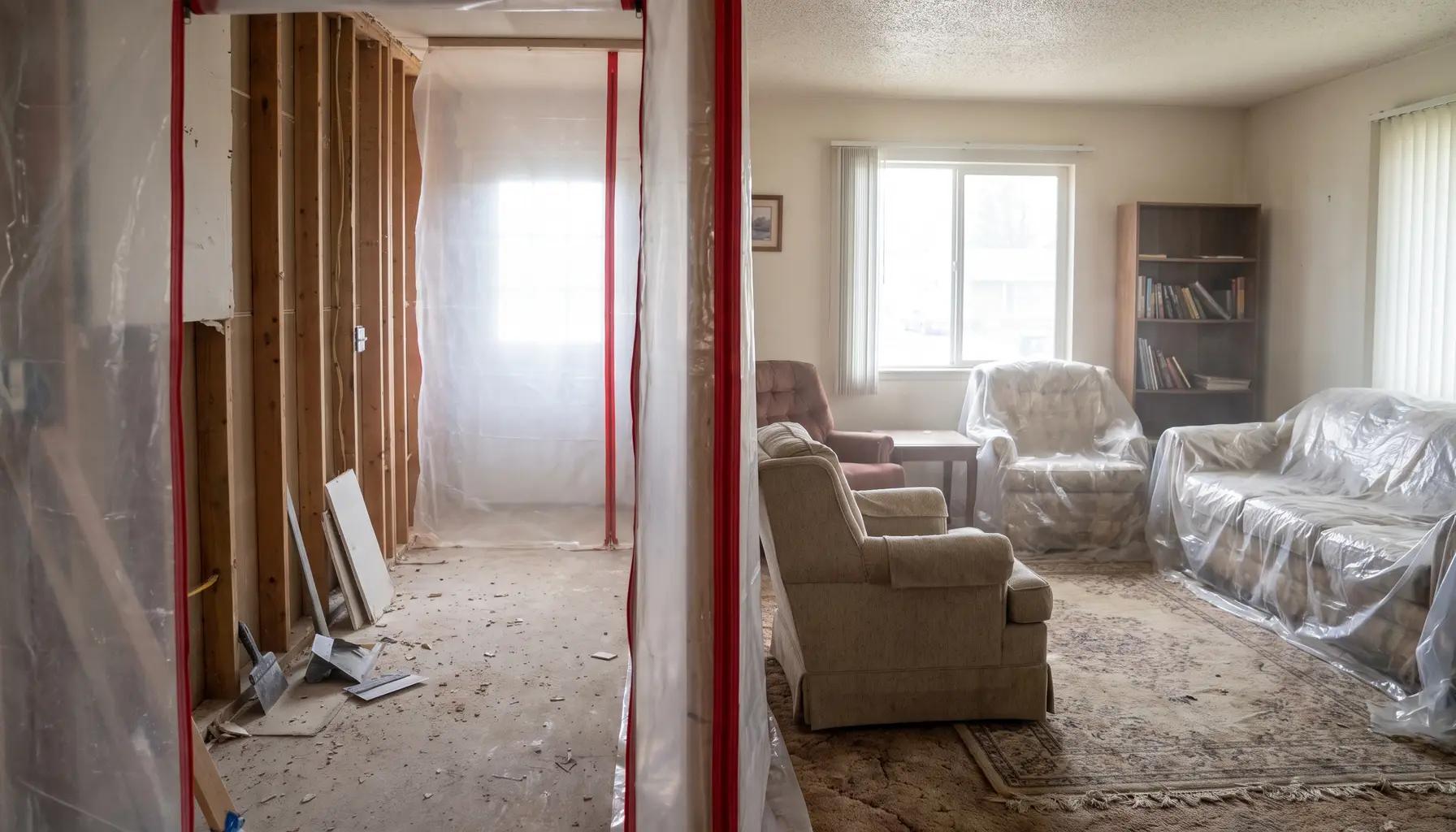
Surviving a remodel while living in your home
Tap to expand
Surviving a remodel while living in your home
To survive living through a remodel, set up a temporary kitchen away from the work, seal off the construction zone with dust barriers, protect or relocate furniture and valuables, plan around utility shut-offs, keep clear communication with your contractor, and make special arrangements for kids and pets. The first and most important decision is which projects to live through and which warrant moving out - a whole-home or kitchen remodel is far harder to live through than a single bathroom. With the right preparation and expectations, staying home during construction is manageable for many projects, and this guide covers how to do it while keeping your household functional and your sanity intact. It is part of our Whole-Home Remodeling Guide.
First decide: stay or go
Tap to expand
First decide: stay or go
Before anything else, honestly assess whether to stay or move out, because it depends heavily on the scope. Living through a single-room remodel like a bathroom is usually very doable, especially if you have another bathroom and keep your kitchen. Living through a kitchen remodel is harder because you lose the heart of the home for weeks, though many families manage with a temporary kitchen. Living through a whole-home remodel is generally impractical and often unsafe - every room is affected, and water, power, and heat get shut off at various points - so most households move out, as our whole-home timeline guide explains. The decision hinges on the scope, whether essential rooms (a kitchen and bathroom) stay usable, whether you have young children or pets, and your tolerance for disruption. Sometimes the cost of temporary housing is well worth the reduced stress and the faster, safer project that results. There is no shame in moving out - it is often the wiser choice for larger projects. But for contained work, staying home with good preparation is entirely reasonable, and the rest of this guide assumes you have decided to stay.
Set up a temporary kitchen
Tap to expand
Set up a temporary kitchen
If your kitchen is part of the project, a temporary kitchen is your lifeline. Set it up in a room well away from the construction - a dining room, a spare bedroom, the garage, or the basement work well. Equip it with the essentials: a microwave, one or two countertop appliances (an electric skillet, slow cooker, toaster oven, or hot plate expand your options considerably), your refrigerator if it can be relocated or a mini-fridge, and access to a sink - a bathroom or laundry sink handles dishwashing and water. Stock up on paper plates, cups, and utensils to minimize dishwashing, and plan meals that are simple to prepare with limited equipment. Expect to rely on takeout and easy meals more than usual, and budget for that. Keep the temporary kitchen organized and clean, since it becomes the functional heart of your home during the project. It is not glamorous, but a well-set-up temporary kitchen makes the difference between merely surviving a kitchen remodel and being genuinely miserable through it. Planning it before demolition begins - rather than scrambling once the kitchen is gone - keeps your household fed and functioning throughout.
Contain the dust
Tap to expand
Contain the dust
Construction dust is the most pervasive nuisance of living through a remodel, and containment is the key to keeping the rest of your home livable. A good contractor sets up dust barriers or zip walls - plastic sheeting sealing off the work zone from living areas - as standard practice, and this is worth insisting on. Equally important is sealing off HVAC vents in the construction area, because your heating and cooling system will otherwise circulate fine dust throughout the entire house; taping off the return and supply vents in the work zone prevents this. Floor protection on the pathways crews use keeps dust and damage off your floors. You can further protect your living space by keeping doors to the work area closed, running air filtration (a portable air purifier helps), and changing your HVAC filters frequently during and after the project. Even with the best containment, some dust migrates - it is the nature of construction - but proper barriers and vent sealing reduce it dramatically, keeping your retreat spaces clean and breathable. Discuss dust control with your contractor before work begins so you know what containment they will put in place; a contractor who takes dust seriously is a good sign of a respectful, professional operation.
Protect your belongings
Tap to expand
Protect your belongings
Before work begins, protect or relocate your belongings from and near the construction zone. Move furniture, electronics, and valuables out of the work area entirely, and cover anything that stays nearby with protective sheeting against dust. Take special care with fragile, irreplaceable, or sentimental items - artwork, heirlooms, electronics - by storing them safely away from the work, ideally in a room that will not be disturbed. Consider renting a storage unit or pod for a whole-home or large project to clear out belongings entirely, which also gives crews room to work efficiently. Protect flooring along work pathways if the contractor has not, and secure important documents and daily essentials in a designated safe spot. Taking the time to properly protect and relocate your things before demolition prevents the heartbreak of damaged possessions and the daily frustration of digging through a dusty, disrupted home for what you need. It is far easier to clear and protect a space beforehand than to deal with dust-covered or damaged belongings after the fact. A little effort up front preserves both your possessions and your peace of mind throughout the project.

Plan for shut-offs and keep essentials working
Tap to expand
Plan for shut-offs and keep essentials working
Remodels involve utility shut-offs - water, power, gas, and heat get turned off temporarily as plumbing, electrical, and HVAC work is done. Ask your contractor for advance notice of shut-offs so you can plan around them: fill water containers before a water shut-off, know when you will be without power, and prepare for stretches without heat if the HVAC is being worked on (a real consideration in an Idaho winter). Wherever possible, arrange to keep one bathroom fully functional throughout the project, since losing all bathroom access is a serious hardship - a good contractor sequences the work to preserve a working bathroom when feasible. Similarly, protect access to your temporary kitchen, laundry, and a comfortable living space. Knowing the schedule of disruptions in advance lets you prepare rather than being caught off guard without water or heat. Clear communication with your contractor about the timing of these shut-offs is essential, and it is a reasonable thing to request. Planning around the unavoidable interruptions to your utilities is a big part of keeping daily life functional while construction proceeds around you.
Communication and a working schedule
Tap to expand
Communication and a working schedule
If there is one factor that most determines whether living through a remodel is tolerable, it is clear, ongoing communication with your contractor. Before work begins, establish how you will stay informed - many good contractors provide a schedule, regular check-ins, or a project-management app - and agree on the basics of daily life: what hours the crew will work, where they will park and enter, where materials and dumpsters will go, how the site will be secured and cleaned at the end of each day, and how you will be notified of shut-offs and noisy phases in advance. Knowing what is coming each week - the loud demolition days, the dusty phases, the times without water or power - lets you plan around them rather than being ambushed by them, which is the difference between a stressful project and a manageable one. It also helps to designate a single point of contact so questions and decisions flow smoothly, and to raise concerns early and directly rather than letting frustration build. A respectful contractor who protects your home, keeps the site tidy, works agreed hours, and communicates proactively makes living on-site far more bearable; a contractor who leaves messes, works unpredictably, and goes quiet makes it miserable. This is one more reason the choice of contractor matters so much - and why a smooth working relationship, built on clear communication, is worth prioritizing when you will be sharing your home with the project for weeks or months.
Kids, pets, and your sanity
Tap to expand
Kids, pets, and your sanity
The human and animal members of your household need special attention during a remodel. Keep kids and pets away from the construction zone - it contains tools, materials, dust, and hazards - by establishing firm boundaries. For pets, the noise and strangers can be very stressful; consider relocating them to a quiet part of the home, or to family or daycare during the noisiest phases, and maintain their routines. For children, prepare them for the noise and disruption, maintain routines like meals and bedtime as much as possible, and preserve a comfortable, clean retreat space where family life can continue normally. For everyone, protecting your own sanity comes down to a few things: set realistic expectations about the noise, mess, and disruption so you are not blindsided; keep a clean, comfortable retreat away from the work; maintain daily routines; and remember the disruption is temporary and leads to the home you want. Above all, clear communication with your contractor - knowing what to expect each week, when the loud or messy phases are coming, and when milestones will hit - reduces stress enormously. Choosing a communicative, respectful contractor who protects your home and keeps you informed is perhaps the biggest factor in whether living through a remodel is bearable. For more on avoiding the pitfalls that make remodels stressful, see our remodeling mistakes to avoid guide.
Plan a remodel that respects your household
Tap to expand
Plan a remodel that respects your household
A big part of living through a remodel comfortably is having a contractor who contains dust, sequences work thoughtfully, and communicates clearly. We do exactly that for homeowners across Boise, Meridian, and Eagle on every whole-home remodel we take on. Our free in-home consultation includes a realistic plan for how the project will proceed and how we protect your home and routine throughout. When you are ready, schedule a consultation, use the instant estimator, or read the full Whole-Home Remodeling Guide.