Designing an outdoor kitchen for Boise living
Tap to expand
Designing an outdoor kitchen for Boise living
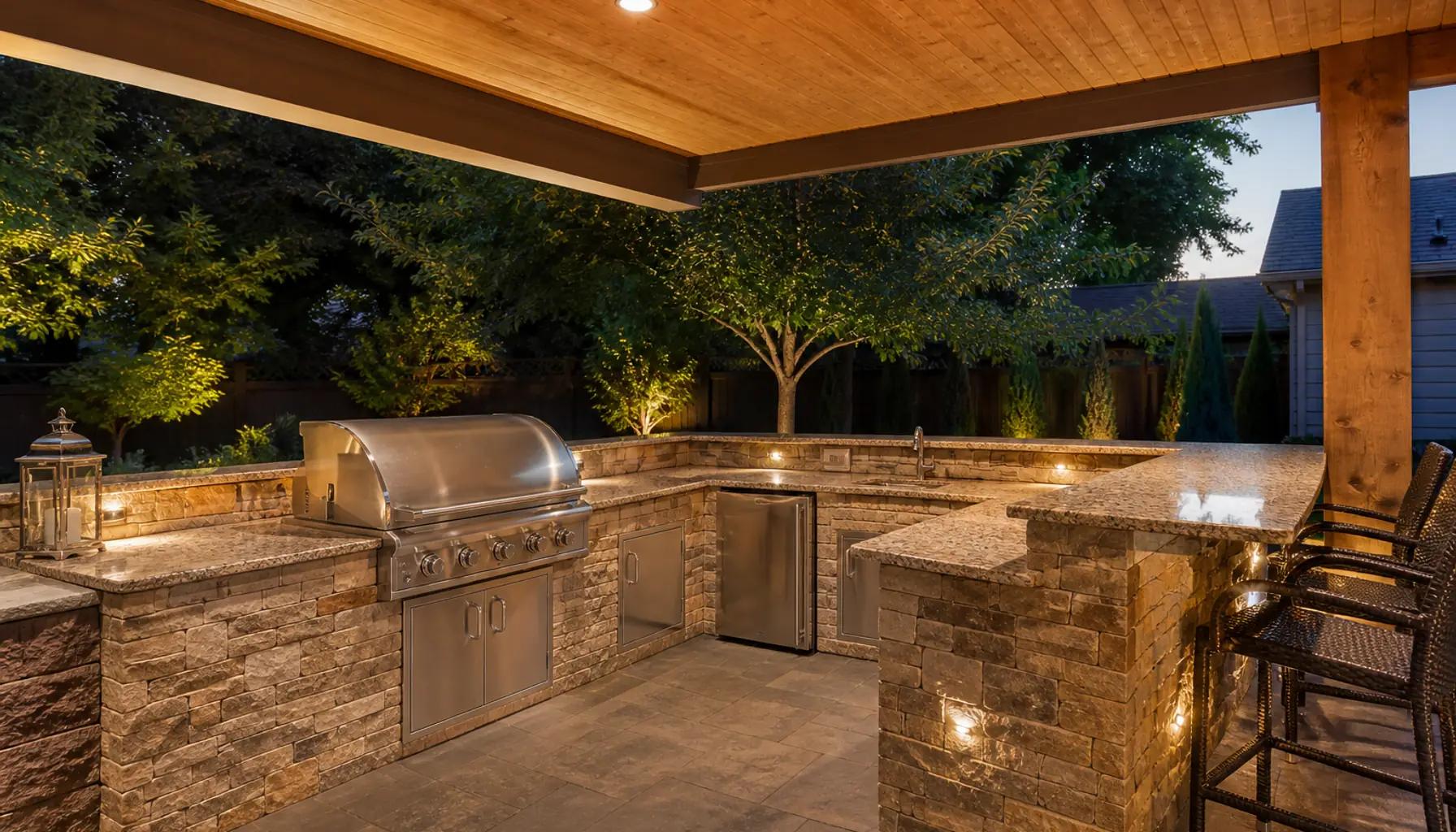
An outdoor kitchen is a built-in cooking and entertaining space that typically includes a grill, counter and prep space, storage, and often a sink, refrigerator, and seating. In Boise's climate, it should use weather-resistant materials that survive freeze-thaw winters, with utilities run to it and plumbing designed to be winterized. Cost ranges widely with size and features, from a simple built-in grill station to a full outdoor kitchen with premium appliances and a covered structure. The Treasure Valley's pleasant spring, summer, and fall make outdoor living genuinely rewarding, and an outdoor kitchen extends both your living space and your entertaining outdoors. This guide covers how to design one that gets used and lasts. It is part of our Outdoor Living Remodeling Guide.
Features and appliances
Tap to expand
Features and appliances
The heart of an outdoor kitchen is its features, and the right mix depends on how you cook and entertain. At a minimum, an outdoor kitchen includes a grill (built-in or a high-quality freestanding unit), counter and prep space on either side of the grill, and storage for tools and supplies. From there, common and popular additions include a sink for prep and cleanup, a refrigerator or beverage cooler to keep drinks and ingredients on hand, a side burner for pots and sides, and seating - a bar counter with stools or adjacent dining. Higher-end builds add pizza ovens, smokers, beverage centers, ice makers, and kegerators. The key principle is to build around what you will actually use: an outdoor kitchen loaded with appliances that sit idle is wasted money, while one thoughtfully equipped for how you really cook and host gets used constantly. Think about your typical outdoor gatherings and cooking style, and prioritize the features that support them - for most households, a great grill, generous prep counter, storage, and a way to keep drinks cold covers the essentials, with specialty appliances added only if you will genuinely use them.
Layout and flow
Tap to expand
Layout and flow
A great outdoor kitchen is designed with the same attention to layout and flow as an indoor one. Position the grill with adequate prep counter on both sides, oriented so smoke blows away from seating and the house, and with clearance from combustible structures. Create a logical work zone - prep, cook, serve - and a social zone where guests gather, ideally so the cook faces guests rather than turning their back to grill. A bar counter or island is a popular way to separate the cooking area from the dining and lounging space while giving guests a place to sit and chat with the cook. Consider the connection to the house - an outdoor kitchen near the indoor kitchen and the main entertaining areas is more convenient and gets used more, while one placed far away can become an afterthought. Also plan for traffic flow between the house, the kitchen, and the seating so people move easily. Just as with an indoor kitchen, a well-considered layout - covered in our kitchen layout ideas for indoor spaces but similar in principle - makes the outdoor kitchen genuinely functional and enjoyable rather than awkward. Thoughtful placement and flow are what turn an outdoor cooking area into a true outdoor room where people love to gather.
Materials that survive Idaho winters
Tap to expand
Materials that survive Idaho winters
Material selection for an outdoor kitchen is critical, because everything must survive Boise's climate - freeze-thaw cycles, snow, sun, and temperature swings that quickly destroy materials meant only for indoors. Choose appliances and cabinetry rated for outdoor use, typically marine-grade or high-quality stainless steel that resists rust and weather. For countertops, use durable, weather-resistant options - natural stone (like granite), weatherproof porcelain, or concrete - that withstand freezing and sun without cracking or fading; avoid indoor-only surfaces. For the structure and cabinetry base, use masonry, stone, weatherproof composite, or other outdoor-rated construction rather than materials that will rot or degrade. Fasteners and hardware should be corrosion-resistant. Getting the materials right is not optional in a freeze-thaw climate - the wrong choices crack, rust, warp, and fail within a few seasons, turning an investment into a liability. This is a key reason to build an outdoor kitchen properly with a contractor experienced in outdoor construction, who knows which materials endure Idaho winters and how to build so water drains and does not sit and freeze in vulnerable spots. Quality, outdoor-rated materials and proper construction are what let an outdoor kitchen last for many years of Treasure Valley seasons.
Utilities and winterization
Tap to expand
Utilities and winterization
Most outdoor kitchens require utilities run to them, and planning these is a core part of the project. A gas line feeds a built-in grill and burners (or you can use propane), electrical powers lighting, refrigerators, and outlets, and water and drainage serve a sink if you include one. Running these services to the outdoor location - trenching for gas and water, wiring for power - is part of the construction and cost, and it is more involved the farther the kitchen is from the house's existing utilities. Crucially, in Boise's cold winters, any plumbing must be designed to be winterized - drained before freezing weather - to prevent pipes from freezing and bursting, which would cause expensive damage. A well-designed outdoor kitchen includes shutoffs and a way to drain the water lines each fall, and this winterization capability should be built in from the start. Electrical must be properly rated for outdoor and wet locations with GFCI protection. Handling utilities correctly - running them safely, and designing the plumbing to survive winter - is essential to an outdoor kitchen that functions well and lasts, and it is another reason to build with a contractor who understands the requirements of outdoor construction in a freeze climate rather than improvising.
Shade, cover, and extending the season
Tap to expand
Shade, cover, and extending the season
A significant way to make an outdoor kitchen more usable and durable is to cover or shade it. A covered structure - a roofed patio, pavilion, or pergola - protects the kitchen and appliances from sun, rain, and snow, extending their life, and it makes the space usable in more weather: shade on hot summer days, shelter from rain, and, with heaters, comfort into the cooler shoulder seasons and even mild winter days. This dramatically extends the usable season, turning an outdoor kitchen from a warm-months-only feature into a much more year-round asset in the Treasure Valley's climate. Even partial shade - a pergola, an awning, or shade near the seating and cooking areas - improves comfort considerably. Adding heaters (built-in or freestanding), a fire feature, and good lighting further stretches the hours and seasons the space is enjoyed, into cool evenings and cooler months. Pairing an outdoor kitchen with a covered patio is one of the best ways to maximize both its usability and its protection. When planning an outdoor kitchen, strongly consider how cover, shade, heat, and light can extend when and how often you will actually use it - these elements often make the difference between an outdoor kitchen used a few times a summer and one that becomes a favorite gathering spot for much of the year.
Planning an outdoor kitchen that gets used
Tap to expand
Planning an outdoor kitchen that gets used
The difference between an outdoor kitchen that becomes a beloved gathering spot and one that sits idle comes down to planning it around real use. Start by honestly assessing how you entertain and cook outdoors - large gatherings or intimate dinners, frequent grilling or occasional, casual or polished - and let that drive the size, features, and layout rather than copying an aspirational build you will not fully use. Consider placement carefully: an outdoor kitchen convenient to the house and integrated with your main outdoor seating and living areas gets used far more than one banished to a far corner. Think about the whole outdoor experience - the kitchen works best as part of a cohesive outdoor living space with comfortable seating, shade or cover, lighting, and perhaps a fire feature, not as an isolated cooking station. And plan for the Boise seasons and climate from the start, building in the weather-resistant construction, winterizable plumbing, and shade or cover that make the space durable and usable across the year. A thoughtful design process - ideally with a contractor or designer experienced in outdoor living - ensures the finished kitchen matches how you actually live and entertain, which is what makes it a space you use constantly rather than an expensive feature that underdelivers. Planning around genuine use, good placement, and the climate is the foundation of an outdoor kitchen that earns its investment in daily enjoyment.
Cost and value
Tap to expand
Cost and value
Outdoor kitchen cost ranges widely with size, features, materials, utilities, and structure. A simple built-in grill station with counter and storage is the most affordable entry point; a full outdoor kitchen with premium appliances, a sink, refrigerator, stone counters, ample seating, and a covered structure costs considerably more. The major cost drivers are the appliances chosen, the materials (outdoor-rated construction and stone counters add cost but are necessary), running utilities to the location, and any covered structure. Because it involves construction, utilities, and weatherproof materials, a quality outdoor kitchen is a meaningful investment, closer in nature to an addition than to buying a grill. On value, a well-built outdoor kitchen can add appeal and some resale value, especially where outdoor living is prized, though the return varies more than for interior projects and favors tasteful, quality, integrated builds over elaborate personalized ones - as our exterior remodeling ROI guide notes for outdoor living. For many households, though, the primary payoff is the enjoyment: an outdoor kitchen transforms how you entertain and spend time outdoors through the beautiful Treasure Valley seasons, which is value no percentage captures. Building the right-sized outdoor kitchen for how you actually live delivers that enjoyment without overspending.
Design your outdoor kitchen
Tap to expand
Design your outdoor kitchen
A well-designed outdoor kitchen extends your living space and your entertaining into Idaho's beautiful seasons - built to last and equipped for how you love to host. Our free in-home consultation helps you plan an outdoor kitchen that fits your yard, your entertaining, and your budget. When you are ready, schedule a consultation, use the instant estimator, or read the full Outdoor Living Remodeling Guide.