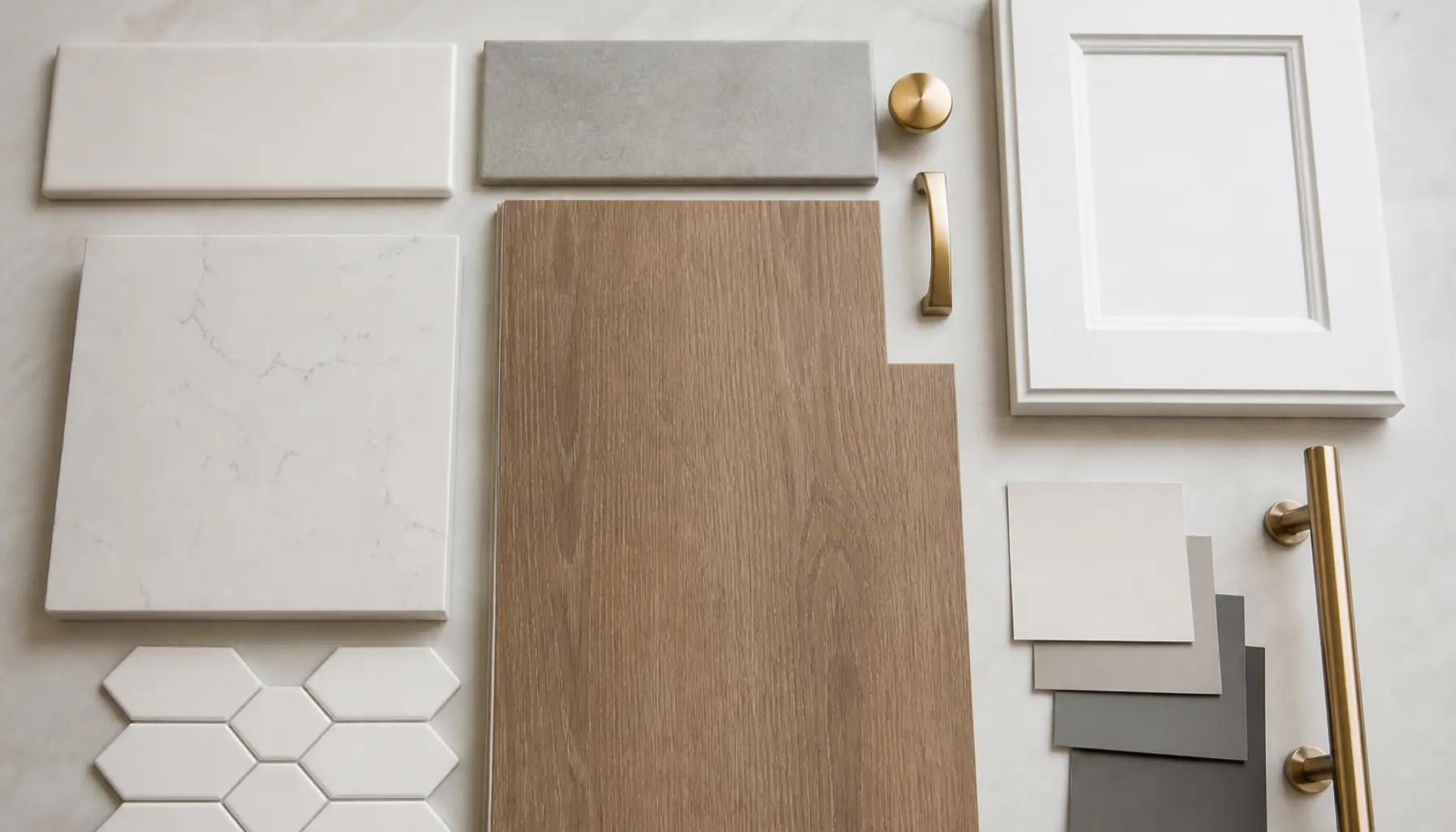
Choosing the finishes for your remodel
Tap to expand
Choosing the finishes for your remodel
To select remodel materials well, balance three factors for each choice - durability, cost, and style - and match them to how the space is used. Splurge on the elements you touch daily, that are hard to change later, or that anchor the design; save on easily changed items. Coordinate selections into a cohesive palette, choose durable materials for high-use areas, and make decisions in a logical order to avoid overwhelm. Selecting every finish and fixture for a remodel - from cabinets and countertops to tile, flooring, hardware, paint, and lighting - is one of the most enjoyable but also most daunting parts of the process. This guide gives you a practical framework to make confident choices. It is part of our Boise Remodeling Process Guide.
Balance durability, cost, and style
Tap to expand
Balance durability, cost, and style
Every material decision is a balance of three factors: durability, cost, and style. Style is what draws your eye, but durability and cost determine whether a beautiful choice is also a wise one. The key is to weight these factors according to how the space is used. A busy family kitchen or a mudroom demands durable, easy-to-clean surfaces that will withstand heavy use, so durability leads. A low-traffic powder room or guest bedroom can prioritize style with less concern for wear. A high-moisture shower needs water-resistant materials regardless of style preferences. And cost, of course, threads through every decision, requiring trade-offs. The mistake is choosing purely on looks without considering how a material will hold up and what it costs to maintain or replace. A stunning but delicate surface in a hard-use area leads to frustration and early replacement; a durable, appropriate choice that also looks great serves you for years. Thinking through all three factors for each selection - especially matching durability to the real demands of each space - is the foundation of smart material selection. Your designer can guide which materials suit which uses, drawing on experience with how finishes perform over time.
Where to splurge and where to save
Tap to expand
Where to splurge and where to save
A limited budget means you cannot splurge on everything, so a clear splurge-and-save strategy directs your money where it matters most. Splurge on elements that are: hard to change later (cabinets, countertops, flooring, tile - replacing these is a major project); touched or used daily (cabinet function, faucets, the surfaces you interact with constantly); and design anchors that set the tone of the space. These are worth investing in for quality and longevity. Save on elements that are easy and inexpensive to change later - cabinet hardware, paint color, light fixtures, mirrors, and accessories can all be swapped in an afternoon down the road, so there is little reason to spend heavily on them now. This strategy is powerful: it puts your budget into the lasting, high-impact, hard-to-redo elements while letting you economize on the things you can affordably refresh whenever you like. It also means a tighter budget need not compromise the important elements - you simply choose modest hardware and fixtures rather than skimping on cabinets or waterproofing. Our how to budget a remodel guide complements this thinking. Spending intentionally, not evenly, is how you get the most from a remodeling budget.
Match materials to high-use and wet areas
Tap to expand
Match materials to high-use and wet areas
Certain areas of a home place special demands on materials, and choosing appropriately protects your investment. High-traffic areas - entryways, kitchens, hallways, family rooms - need durable, easy-to-clean flooring and surfaces that resist scratches, stains, and wear; luxury vinyl plank, porcelain tile, and quality hardwood all serve well depending on the setting. High-moisture areas - bathrooms, laundry rooms, mudrooms - require water-resistant materials and proper waterproofing behind the scenes, since moisture is the enemy of longevity; this is where corners must never be cut, as our walk-in shower guide stresses. Countertops in a working kitchen benefit from durable, low-maintenance surfaces like quartz or quartzite (compared in our quartz vs quartzite guide). And cabinetry in any space should be well-constructed to endure daily use. Matching material durability to the specific demands of each area - rather than choosing the same finish everywhere regardless of use - ensures your remodel not only looks good on day one but continues to perform and look good for years. A designer experienced with how materials wear can steer you toward choices that suit each space's real-world demands, avoiding the disappointment of a lovely material that fails where it is used hardest.
Coordinate a cohesive palette
Tap to expand
Coordinate a cohesive palette
Individual materials can each be beautiful yet clash when combined, so the goal is a cohesive palette where all selections work together. The way to achieve this is to choose selections together rather than in isolation, considering how each relates to the others and to the spaces they occupy. Coordinate colors and tones into a unified story - warm with warm, or a deliberate, controlled contrast. Choose a consistent metal finish for hardware, faucets, and fixtures, or a thoughtful, intentional mix (mixing metals is fine when done with a light, deliberate hand). Ensure materials in adjacent and connected spaces relate, especially in open floor plans where you see multiple areas at once. This is where a designer is invaluable: they assemble your selections into a coordinated whole, see the combinations before they are installed, and catch clashes or imbalances that are hard to visualize from individual samples. The difference between a remodel that feels designed and one that feels like a collection of unrelated choices is almost entirely this coordination. Viewing selections together - ideally physically, as a material board or samples laid side by side in your home's light - is how you build confidence that the finished result will feel harmonious and intentional rather than piecemeal.
Make decisions in a logical order
Tap to expand
Make decisions in a logical order
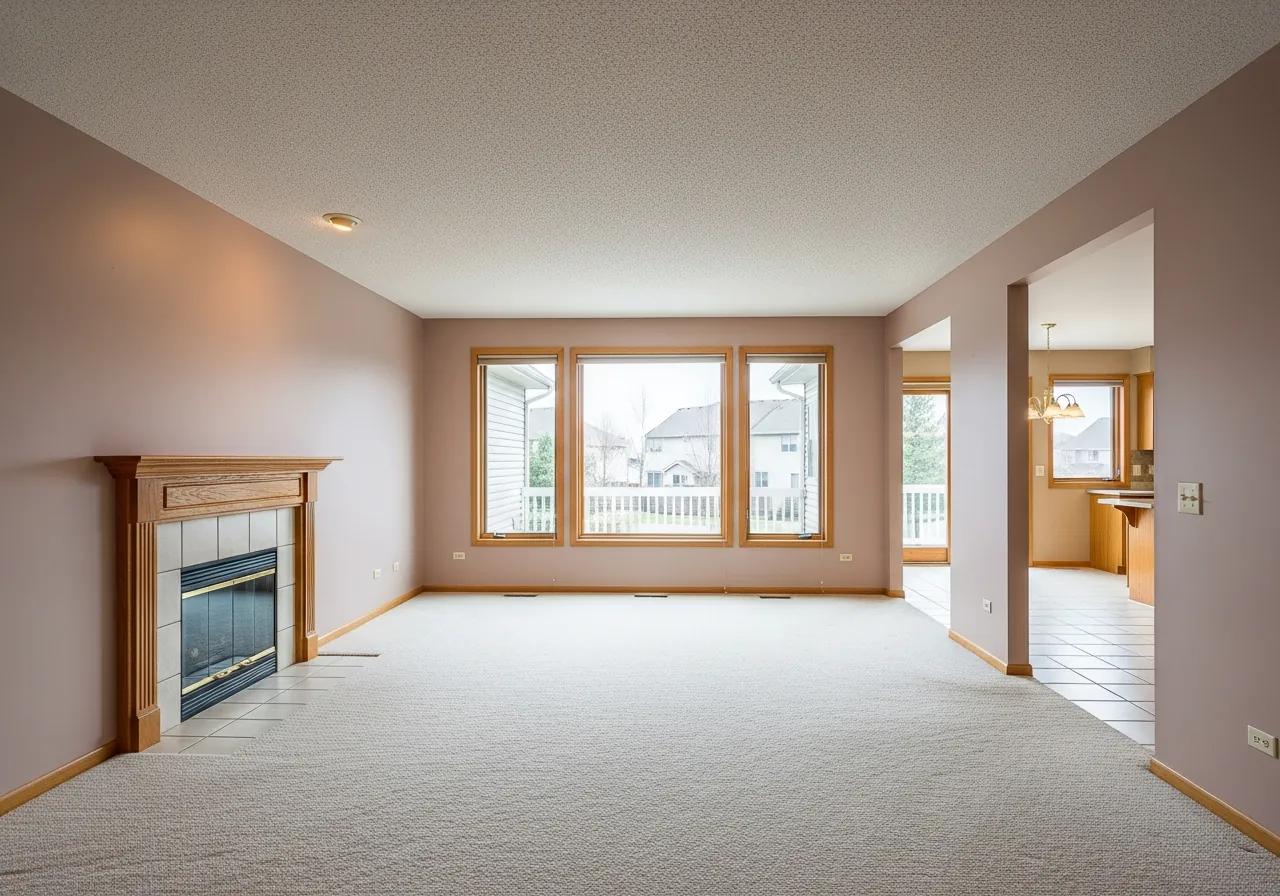
The volume of selections in a remodel can feel overwhelming, but making them in a logical order turns chaos into a manageable sequence. Generally, start with the anchor elements that are hardest to change and most define the space - typically cabinetry and countertops in a kitchen, or the vanity and tile in a bathroom - and then build the rest of the palette around them: backsplash, flooring, hardware, paint, lighting, and fixtures chosen to complement the anchors. Deciding the big, defining pieces first gives you a framework that naturally narrows the subsequent choices, since each new selection just needs to work with what is already chosen. This sequencing also prevents the paralysis of trying to decide everything at once. It helps, too, to limit your options - work from a curated shortlist your designer assembles rather than the endless universe of possibilities, which is a recipe for overwhelm. Trust the process and the sequence: rather than agonizing over every option in isolation, make confident decisions within a defined palette and order. Leaning on your designer to guide the sequence and narrow the choices is exactly what makes selecting materials enjoyable rather than exhausting, transforming an intimidating task into a series of satisfying, well-supported decisions that together create a beautiful, cohesive home.
Samples, lead times, and ordering
Tap to expand
Samples, lead times, and ordering
Two practical realities shape material selection beyond the choices themselves: seeing samples and lead times. Always try to view key materials in person and, ideally, in your own home's lighting before committing - photos and small chips misrepresent color, texture, and scale, and a countertop or tile can look markedly different in your space than in a showroom. For big, permanent choices like stone or cabinetry, seeing full slabs or door samples is well worth the effort. Equally important, be aware of lead times: many materials - custom cabinetry, special-order tile, certain windows, and specialty items - take weeks or longer to arrive, and a back-ordered selection can stall an entire project. This is why finalizing selections early and ordering long-lead items well ahead is so important, as our planning guidance stresses; the goal is to have materials on hand before construction reaches the phase that needs them. Your contractor tracks lead times and orders accordingly, but knowing that some beautiful choices carry long waits helps you make timing-aware decisions - sometimes a readily available option that is nearly as good is the wiser pick when schedule matters. Factoring availability and delivery into your selections, alongside durability, cost, and style, rounds out a truly practical approach to choosing materials, ensuring the finishes you love actually arrive in time to keep your remodel on track.
Timeless versus trendy
Tap to expand
Timeless versus trendy
A final principle ties the strategy together: favor timeless choices for the expensive, hard-to-change elements, and express trends in the cheap, easily changed ones. Cabinets, countertops, flooring, and tile layout are costly and disruptive to replace, so choosing classic, enduring options for them means your remodel still looks right in ten or fifteen years - a shaker cabinet, a neutral stone, a timeless tile. Meanwhile, current trends can be enjoyed in the elements that are inexpensive and quick to update: hardware, paint colors, light fixtures, and accessories. If a trend fades, refreshing those costs little. This balance lets your remodel feel current the day it is finished without the risk of the major, expensive elements looking dated in a few years - the worst outcome, since those are exactly the pieces you cannot easily redo. It is the same splurge-and-save logic applied to the timeless-versus-trendy question, and it consistently produces remodels that age gracefully. When in doubt on a big-ticket, permanent element, lean timeless; save your trend experiments for where they are cheap to reverse. This discipline, more than any single material choice, is what gives a remodel lasting appeal and protects its value over time.
Get guidance on your selections
Tap to expand
Get guidance on your selections
Selecting materials is far easier - and more enjoyable - with an experienced designer guiding the choices and keeping them cohesive. Our free in-home consultation includes design direction that helps you balance durability, cost, and style and build a palette you will love for years. When you are ready, schedule a consultation, use the instant estimator, or read the full Boise Remodeling Process Guide.