What an ADU really costs in Boise
Tap to expand
What an ADU really costs in Boise
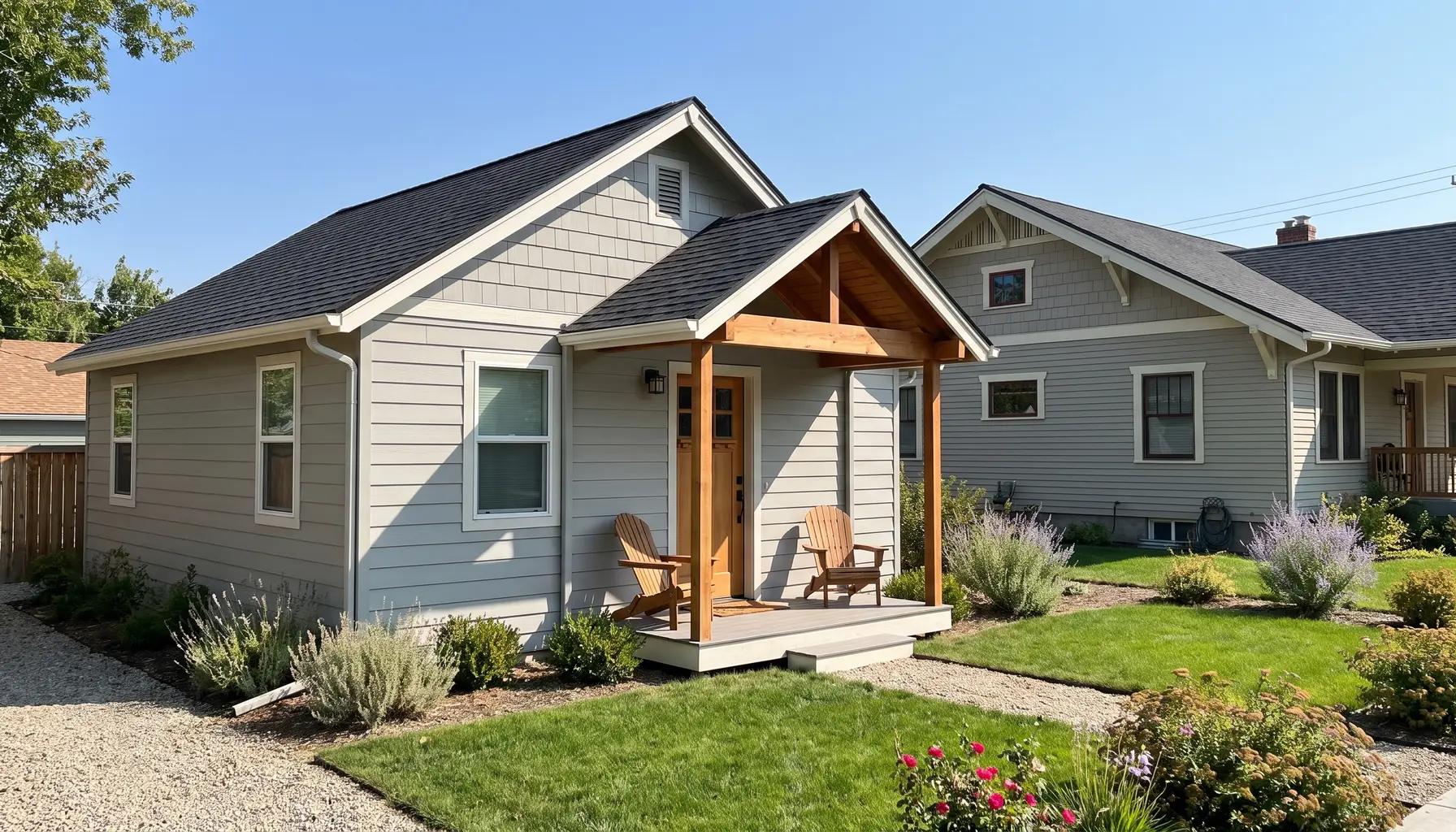
An ADU in Boise generally costs the most as a detached new build, less as an attached addition, and least as a garage or basement conversion that reuses an existing structure. The biggest cost drivers are size, whether it is detached or a conversion, site and utility connections, and finish level. An accessory dwelling unit - a self-contained living space with its own kitchen, bathroom, and entrance - is one of the most powerful things you can add to a Treasure Valley property, whether for rental income, aging parents, adult children, a home office, or long-term flexibility and value. This guide breaks down the types, the cost drivers, and how to plan one. It is part of our Boise Home Addition Guide.
The three types of ADU - and their cost order
Tap to expand
The three types of ADU - and their cost order
Understanding the cost of an ADU starts with the type, because the range between them is large. A conversion ADU - transforming an existing attached garage or basement into a living unit - is typically the most affordable, because the foundation, walls, and roof already exist; you are adding insulation, plumbing, a kitchen, a bathroom, egress, and finishes rather than building a structure. An attached ADU - a new addition built onto the home with its own entrance - costs more, since it involves new foundation, framing, and roof, but shares a wall and some utilities with the main house. A detached ADU - a freestanding backyard cottage - costs the most, because it is essentially a small house built from the ground up, with its own foundation, framing, roof, and utility connections. Knowing which type fits your property and budget is the first and most important decision, and it can swing the total cost dramatically. Our garage conversion guide and basement finishing guide cover the two most common conversion routes in depth.
What drives the cost
Tap to expand
What drives the cost
Within any ADU type, several factors move the budget. Size is the most obvious - more square footage means more materials and labor, though small ADUs carry a higher cost per square foot because the expensive rooms (kitchen and bathroom) are a larger share of a small footprint. Detached vs. conversion, as covered above, is the single biggest swing. Site conditions matter for detached units: a flat, accessible lot with utilities nearby is far cheaper to build on than a sloped or tight site requiring extra excavation, retaining, or long utility runs. Utility connections - running water, sewer, and electrical (and sometimes upgrading the main panel or service) to a detached unit - can be a substantial line item that surprises owners. Finally, finish level - from a simple efficient rental unit to a high-end guest suite - affects cost like any remodel. Because a kitchen and full bathroom pack a lot of plumbing and electrical into a small space, ADUs are finish-dense projects. Our home addition cost guide and what impacts remodeling costs explain these dynamics further.
Zoning, permitting, and utilities
Tap to expand
Zoning, permitting, and utilities
Before the design even begins, an ADU depends on what your lot and local rules allow. Zoning governs whether an ADU is permitted on your lot, its maximum size, required setbacks, parking, and sometimes owner-occupancy - and these rules vary across Boise, Meridian, Eagle, Nampa, and the rest of the Treasure Valley, and change over time as cities update their codes (Boise has worked in recent years to make ADUs more feasible). Permitting for an ADU is more involved than for a simple remodel because you are creating a dwelling: plans, structural details, energy code, and utility connections all get reviewed and inspected. For detached units especially, utility connections - tapping into water and sewer, running electrical, and possibly upgrading the main service - are both a cost and a permitting consideration. None of this is a barrier, but it is why an ADU benefits enormously from a design-build team that knows the local landscape and can tell you quickly what is possible on your specific property, then handle the permitting rather than leaving you to navigate it. Getting the feasibility question answered early saves wasted design effort.
Why conversions are the value play
Tap to expand
Why conversions are the value play
For many Boise homeowners, the smartest path to an ADU is converting space they already have. An attached garage is the classic candidate: it already has a foundation, walls, and roof, so converting it into a studio or one-bedroom unit means adding insulation, drywall, a mini kitchen, a bathroom, proper egress, heating and cooling, and finishes - far less than building new. A basement with adequate ceiling height and the ability to add a legal egress window can become a spacious lower-level unit. These conversions deliver a full ADU at a fraction of the cost of a detached build, and they are faster because the shell exists. The trade-offs are that you give up the garage or basement's current use, and conversions have their own requirements - egress, ceiling height, ventilation, and sometimes fire separation. But when the goal is to add a living unit affordably, a conversion is usually the best value, which is why we often steer budget-conscious ADU projects toward the garage or basement first. See our dedicated garage conversions and basement finishing guides for the details of each.
The many uses - and the payoff
Tap to expand
The many uses - and the payoff
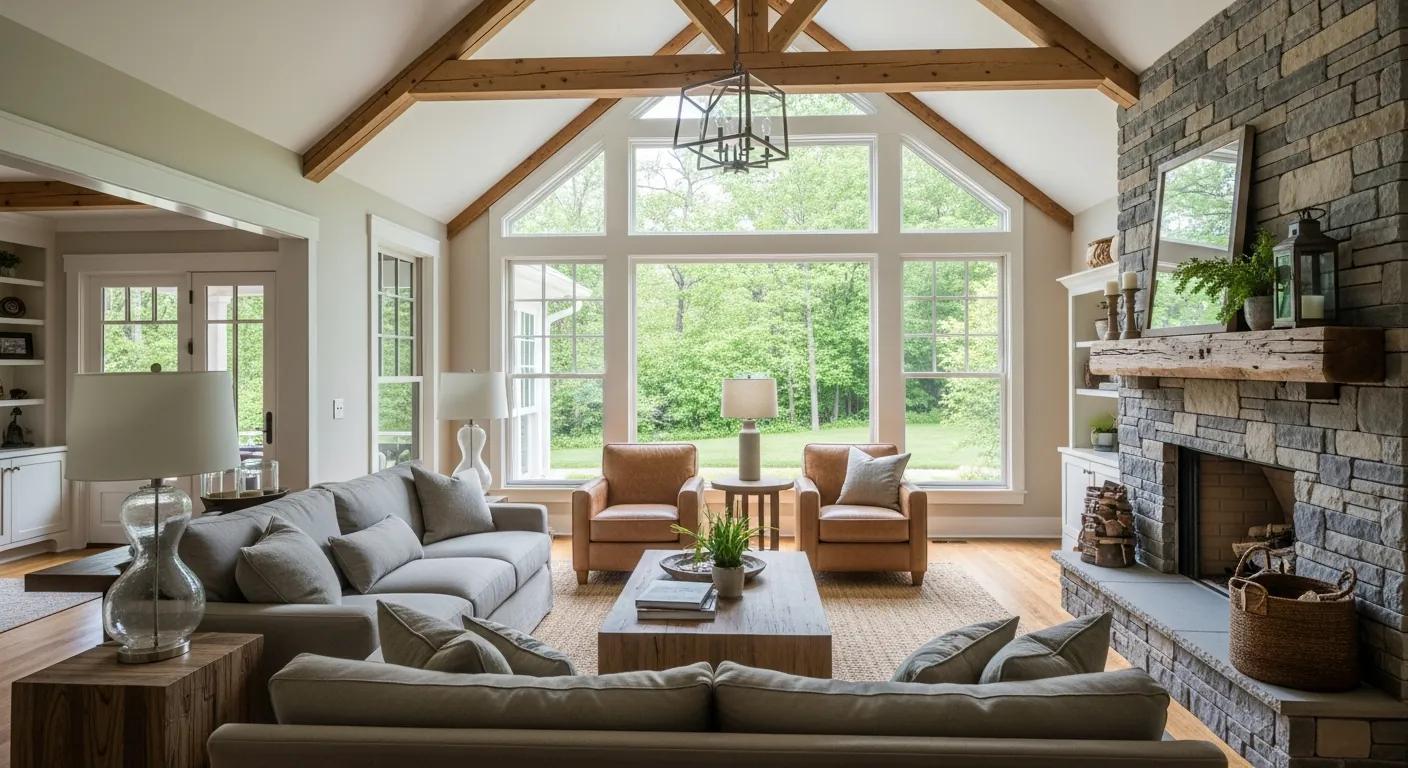
Part of what makes an ADU worth its cost is how many needs it can meet. As a rental, it generates income that can offset the construction cost over time and boost the property's value and appeal. For multigenerational living, it lets aging parents or adult children live close by with independence and privacy - increasingly valuable as Treasure Valley families look for ways to stay together affordably (see our multigenerational living guide). As a home office, studio, or guest house, it adds flexible space that a spare bedroom cannot match. And as a long-term investment, a well-built ADU adds rentable square footage and marketability that many buyers prize. This versatility is why ADUs have surged in popularity: few remodeling investments can pivot between income, family, work, and resale value the way an ADU can. When weighing the cost, it helps to consider not just the build price but the years of use and potential income or savings the unit provides, which often reframe the investment favorably.
Financing and the long-term return
Tap to expand
Financing and the long-term return
Because an ADU is a substantial investment, it helps to think about how to pay for it and what it returns. Homeowners commonly finance ADUs through a home equity loan or line of credit, a cash-out refinance, a renovation loan, or savings, and the right choice depends on your equity, rates, and plans - it is worth discussing with a lender early, since financing capacity shapes what type and size of ADU is realistic. The return side is where ADUs distinguish themselves from most remodeling projects. A rental ADU generates ongoing income that, over years, can offset a meaningful portion of the build cost, effectively letting the unit pay for part of itself. Even without renting, an ADU that houses family can save money compared with assisted living or separate housing, while keeping loved ones close. And at resale, the added rentable square footage and flexibility typically increase the property's value and appeal, particularly in a market like the Treasure Valley where housing demand is strong. When weighing an ADU's cost, this fuller picture - potential income, family savings, and added home value across many years - often makes the investment look far more favorable than the upfront number alone suggests. The key is to build a quality, legal, well-designed unit, since a properly permitted ADU is what delivers rentability and appraisable value, whereas a cut-rate or unpermitted one undermines the very returns that justify the project.
How to plan and budget your ADU
Tap to expand
How to plan and budget your ADU
Because ADU costs vary so widely by type and site, the only way to get a real number is a property-specific assessment. Start by clarifying your goal - rental income, family housing, or flexible space - since that shapes size, layout, and finish level. Then determine feasibility: what does your lot and local zoning allow, and is a conversion possible or is detached the only option? From there, a design-build team can develop a design and an honest budget together, so you see the real cost of the path that fits your property before committing. Budget realistically for the finish-dense nature of ADUs (that kitchen and bathroom carry real cost), for utility connections on detached units, and for a contingency, as with any project that may uncover surprises. The homeowners happiest with their ADUs are those who matched the type to their budget and goals from the start - a garage conversion when value matters most, a detached cottage when the site and budget support it. Thoughtful planning up front is what turns an ADU from an intimidating number into a sound, well-scoped investment. It also pays to sequence the decisions in the right order - goal first, then feasibility, then type and size, then finishes - because each choice narrows the next and keeps the budget anchored to what your property and purpose actually require rather than to a wish list.
Find out what an ADU would cost on your lot
Tap to expand
Find out what an ADU would cost on your lot
The fastest way to know what an ADU would cost for your property is to have someone assess your lot, your goals, and your options in person. Our free in-home consultation covers feasibility, the best ADU type for your site, and an honest budget. When you are ready, schedule a consultation, use the instant estimator, or read the full Boise Home Addition Guide.