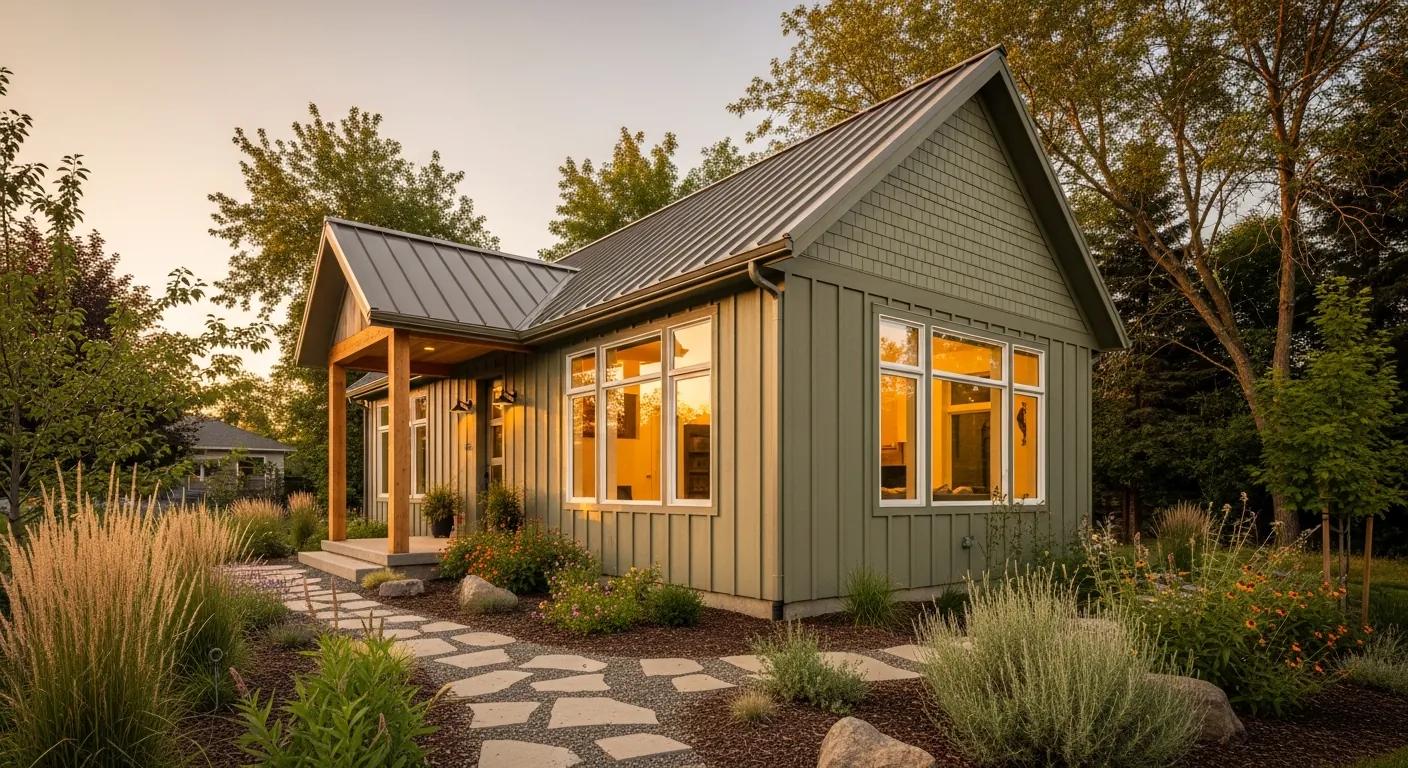
What is an ADU and why are they growing in Boise?
An accessory dwelling unit (ADU) is a self-contained second home on a single-family lot: its own kitchen, bathroom, and sleeping space. Treasure Valley homeowners build them for aging parents, adult children, home offices with rental flexibility, and long-term rental income. Boise's housing shortage has made legal second units one of the most valuable improvements a homeowner can add, and recent zoning changes made them substantially easier to approve.
Boise Remodeling Co designs and builds ADUs and guest houses across Boise, Meridian, Eagle, Nampa, Kuna, Star, Middleton, and Caldwell as a single design-build contract: feasibility, design, permits, and construction under one roof.
Boise ADU rules under the current zoning code
Boise adopted a modern zoning code in December 2023 that broadly allows ADUs in residential zones. In general terms: one ADU is allowed on most single-family lots, detached units are typically capped around 900 square feet, and standards govern height, setbacks, and design compatibility. The city also offers a set of pre-approved ADU plan sets (roughly 280 to 695 square feet) that can reduce design cost and shorten plan review for homeowners whose lots and goals fit them - we evaluate whether a pre-approved plan or a custom design serves you better during feasibility. Rules evolve, so we verify the current standards with the City of Boise Planning Division at the start of every project - and you should too before committing to a design.
Feasibility on a specific lot usually comes down to three things: setbacks and lot coverage (how much buildable envelope remains), utility capacity (sewer, water, and electrical panel), and access (alley-loaded lots in neighborhoods like the North End are often ideal). Our North End and Boise Bench guides cover the housing stock where ADU demand is strongest.
Does your lot work for an ADU?
- Setbacks & lot coverage - how much buildable envelope remains
- Utility capacity - sewer, water, and electrical panel
- Access - alley-loaded lots (common in the North End) are often ideal
Verify the current rules first
ADU zoning has changed recently and continues to evolve, and standards are set city by city, not county-wide. Confirm today's requirements with your city before committing to a design - or work with a design-build team that checks them at the start of every project.
ADU rules in Meridian, Eagle, Nampa, and the rest of the valley
ADU standards are set city by city, not county-wide. Meridian, Eagle, Kuna, and Star each apply their own size caps, parking requirements, and in some cases owner-occupancy conditions through Ada County-coordinated review; Nampa, Caldwell, and Middleton route through Canyon County processes with their own standards. HOA covenants in newer subdivisions can restrict ADUs even where city zoning allows them - check CC&Rs early. Our Ada vs Canyon County permit guide explains how review differs between the two counties.
Attached, detached, or garage conversion?
Garage conversions reuse an existing foundation, slab, and roof, which makes them the most budget-efficient path to a legal unit - typical scope adds insulation, HVAC, a kitchen and bath, fire separation, and egress windows. See our garage conversion guide.
Attached ADUs convert or extend part of the main house (a basement, a wing, or a new addition) and share walls and utilities. They cost less than detached units and suit multigenerational households that want proximity with privacy.
Detached ADUs are backyard cottages with their own envelope and utility runs. They are the most expensive option and the most flexible: maximum privacy, strongest rental appeal, and no disruption to the main house during construction.
The most budget-friendly path
A garage conversion is usually the cheapest route to a legal unit, because it reuses the existing foundation, walls, and roof. A detached new-build ADU is the most expensive but the most flexible - match the type to your budget, your lot, and how much privacy the unit needs.
What does an ADU cost in the Treasure Valley?
| ADU type | Planning range | Typical timeline |
|---|---|---|
| Garage conversion | $65,000 - $135,000 | 3 to 5 months |
| Attached ADU / basement conversion | $135,000 - $335,000 | 4 to 6 months |
| Detached new-build ADU | $150,000 - $365,000 | 5 to 8 months |
Ranges are 2026 planning guidance, not bids: site conditions, utility connections, and finish level move the number. Foundation work, separate utility runs, and premium finishes push detached units toward the top of the band. For room-by-room context see the Boise Remodeling Cost Guide, or get a planning range from the project estimator.
Permits, timeline, and what to expect
Every legal ADU needs building, plumbing, electrical, and mechanical permits, plus zoning compliance. Typical sequence: feasibility and design (6 to 10 weeks), engineering and plan submission, plan review (varies by jurisdiction and season), then construction with inspections at each phase. We handle permits in-house for both Ada and Canyon County jurisdictions and build review time into the schedule from day one, so the calendar you see at design lock reflects reality.
Design choices that make an ADU work
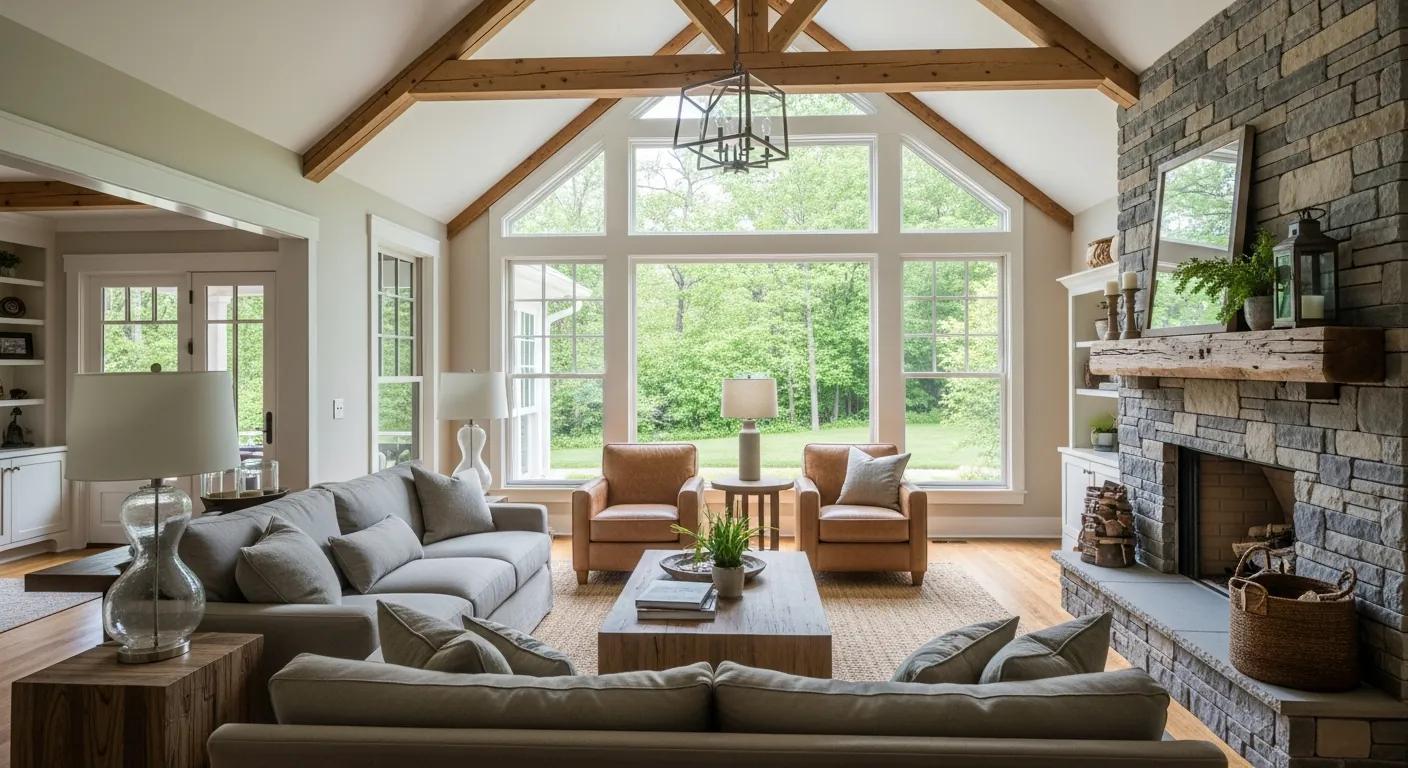
Good ADUs live larger than their square footage: vaulted ceilings over the main space, full-height storage walls, pocket doors, and a galley or L-kitchen sized for real cooking. If the unit may ever house aging parents, build in zero-step entry, a curbless shower, and 36-inch doorways now - retrofitting later costs far more. Match exterior materials to the main house; several valley jurisdictions require design compatibility, and resale value rewards it regardless.
Future-proof it now
If the unit may ever house aging parents, build in a zero-step entry, a curbless shower, and 36-inch doorways during construction. These cost little to include now and far more to retrofit later - and they broaden the unit's appeal to renters and buyers.
ADU rental income and resale value
A permitted ADU adds appraisable square footage and a rental income stream that many Treasure Valley buyers now actively search for. Long-term rental of a permitted unit is broadly allowed; short-term rental licensing is a separate, stricter track in Boise. Our remodeling ROI guide covers how second units compare to other high-return projects, and the addition ROI article covers the underlying math.
Next steps
Start with the project estimator for a planning range, then schedule a free in-home visit. We will walk your lot, flag setback and utility constraints on the spot, and leave you with a realistic range and design direction - no pressure, no obligation. You can also review our Boise ADU services, Meridian ADU services, or the broader home addition guide if you are still comparing an ADU against a conventional addition.